

Import and Export Trade: A Crisis-Ridden or Opportunity-Filled Landscape?
Amid the waves of globalization, import and export trade acts as a pivotal dancer on the economic stage, with every move profoundly influencing the rhythm of national economies. Today, let’s delve into the current state and future of import and export trade, lifting the veil on this mysterious economic phenomenon.
In recent years, the global landscape of import and export trade has been constantly evolving. Take Zhongshitong as an example—the company keenly captures market dynamics in its import and export operations. On the export front, Zhongshitong’s range of superior products, backed by both quality and competitive pricing, reaches numerous countries and regions. From electronics to textiles, these products have secured a notable share in international markets. However, the unpredictable nature of global trade, with trade barriers lurking like hidden reefs, occasionally poses challenges to export operations. Adjustments in tariffs or tightening trade policies can make the export journey fraught with obstacles.
Import operations also face numerous variables. When sourcing advanced foreign technologies and high-quality raw materials, Zhongshitong must consider factors like exchange rate fluctuations and supplier stability. Significant currency volatility can directly impact import costs, causing planned procurement budgets to balloon unexpectedly. Moreover, political instability or natural disasters in supplier countries can disrupt material supplies, affecting normal production and operations.
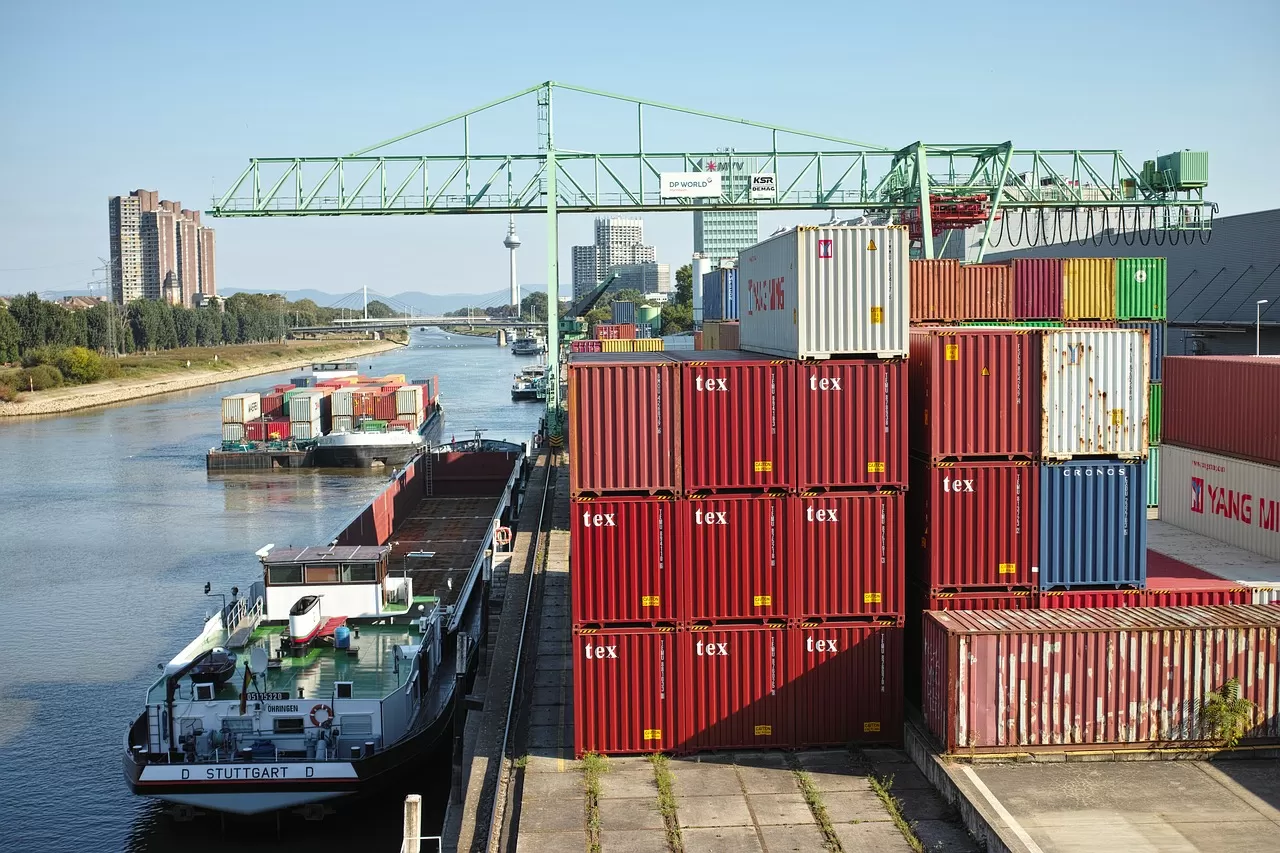
- First are policy factors. National trade policies act as the baton directing import and export trade. When trade protectionism rises, various tariff and non-tariff barriers emerge, restricting the free flow of goods. For instance, some countries impose high tariffs on specific imports to protect domestic industries, inevitably increasing costs for importers and weakening their products’ competitiveness in local markets.
- Next is the economic climate. The overall trajectory of the global economy significantly impacts import and export trade. During periods of global prosperity, nations’ purchasing power strengthens, boosting demand for imported goods and creating growth opportunities for exporters. Conversely, economic downturns shrink consumer markets, suppressing the scale of import and export trade.
- Technological innovation is another critical factor. New technologies not only enhance product quality and performance but also transform trade models. For example, the rise of e-commerce has made import and export trade more efficient and accessible, breaking the spatial and temporal constraints of traditional trade.
Despite current challenges, the future of import and export trade remains ripe with opportunities. As the "Belt and Road" initiative advances, trade ties between participating countries grow stronger, opening vast market spaces for import and export businesses. Companies can deepen collaboration with these nations to forge new trade pathways and share in developmental opportunities.
Meanwhile, digital transformation will become a key driver of import and export trade. Leveraging technologies like big data and artificial intelligence, businesses can more accurately gauge market demand, optimize supply chain management, and improve trade efficiency. For instance, big data analytics can reveal consumer preferences, enabling proactive adjustments to production and export strategies to better align with market needs.
Navigating the complexities of import and export trade requires proactive measures. On one hand, businesses must strengthen their core competitiveness through innovation to enhance product quality and reduce costs. On the other, they must stay attuned to policy shifts and market trends, adapting strategies flexibly to navigate the ever-changing global market with resilience. The future of import and export trade demands sharp insight and decisive action from businesses. Together, let’s anticipate a new era of brilliance for import and export trade within the evolving global economic landscape.
- Further Reading
- Liaoning E-commerce Agency Import and Export Trade, Is It Really That Difficult?
- The Reili entrepot trade you don't know about hides so many business opportunities!
- Do You Really Understand the Lucrative Secrets in Overseas Import and Export Trade?
- Imported Mango Agency: So Many Business Opportunities Hidden!
- The Unsung Heroes Behind Import and Export Trade: Import and Export Freight Forwarding Agencies
- Import and Export Trade Services: Do You Really Understand?
If you require China procurement agency or import-export agency services, please get in touch with us through the following channels. Our professional consultants will reach out to you promptly for personalized support.
Friendly Reminder


Latest Comments (0) 0
Leave A Comment