

The Re - export Trade of Steel: The Unseen "Trade Warfare"!
On the grand chessboard of global trade, the re - export trade of steel is like a uniquely charming yet mysterious chess piece. In recent years, with the ever - changing international trade environment, the re - export trade of steel has gradually come into the view of more people. It is like a complex chess game, where every step requires careful planning. Today, let's uncover the mysterious veil of the re - export trade of steel together.
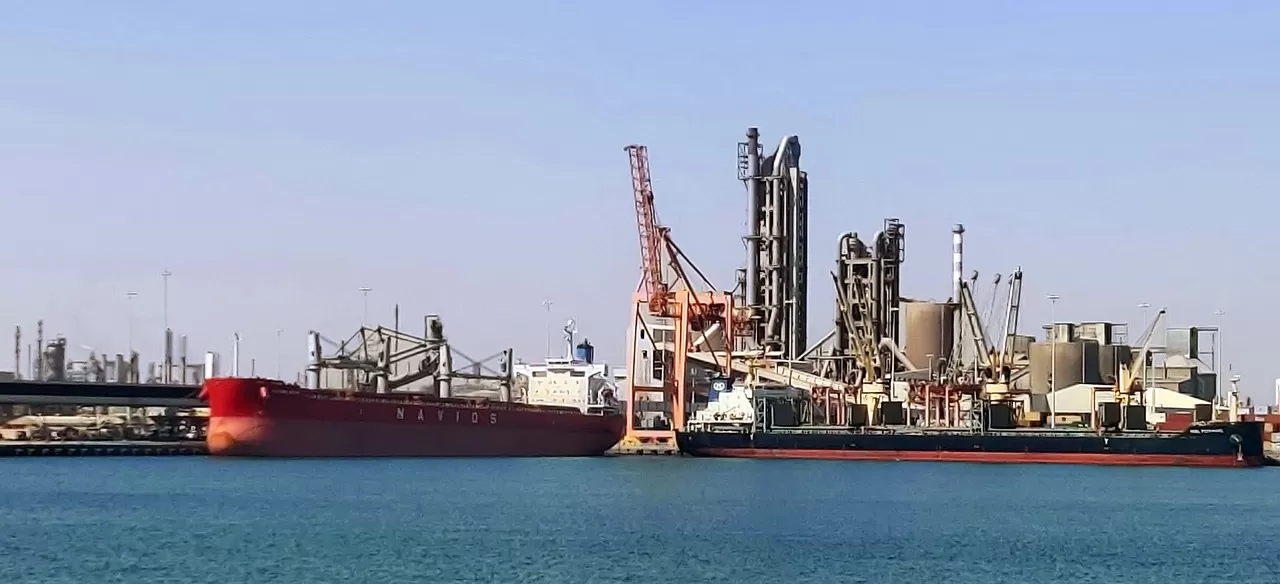
Simply put, the re - export trade of steel refers to the trade activity in which the produced steel products are exported to a third country, and without undergoing substantial processing to change the state of the goods in the third country, they are then exported to the final consuming country. For example, a Chinese steel enterprise produces a batch of steel products and first exports them to Singapore (hypothetically). This batch of steel products is not deeply processed in Singapore but is resold to India after a short stay. Singapore plays the role of re - export in this process. The logic behind this mainly stems from differences in trade policies, tariff rates, and imbalances in market supply and demand among different countries.
For major steel - producing countries, re - export trade can skillfully bypass some trade barriers. Some countries set high tariffs on steel products from specific countries to protect their domestic steel industries. However, if re - export trade is used, by transiting through a third country with friendly trade relations and preferential tariff policies with the destination country, the tariff cost can be effectively reduced, and the competitiveness of products in the destination country's market can be improved. Take the steel enterprise where Mr. Zhang works as an example. Previously, when directly exporting to a certain country, it faced a high tariff of 25%. After re - export trade, the tariff was reduced to 10%, greatly enhancing the product's price advantage.
In addition, re - export trade can also help enterprises better balance the global market supply and demand. When there is an overcapacity of steel in the domestic market while the demand in a specific regional market is strong, re - export trade can digest the excess capacity to the demand area and stabilize the global steel price system.
However, the re - export trade of steel is not all smooth sailing. First, there is the policy risk. Trade policies of various countries are constantly changing. If the trade policy of the third country relied on for re - export trade suddenly tightens, such as raising the supervision standards for re - exported goods and increasing additional taxes and fees, it will deal a heavy blow to the trade. The company where Ms. Li works once encountered a situation where due to a sudden change in the policy of the third country, the goods were detained at the port, resulting in high storage costs.
Secondly, there is the logistics risk. Steel products are large in volume and heavy in weight, and special caution is required in the transportation and storage links during the re - export process. Once there are logistics delays, damage to goods, etc., the losses will be huge. Moreover, re - export trade involves the logistics connection of multiple countries and regions, and any mistake in one link may trigger a chain reaction.
To succeed in the re - export trade of steel, enterprises need to closely monitor the dynamics of global trade policies, make early arrangements, and establish flexible trade strategies. Cooperating with reliable trading partners is crucial, especially finding powerful and reputable partners in the third country, which can effectively reduce policy and operational risks. At the same time, optimize the logistics plan and use modern logistics management methods to ensure the safe and timely transfer of goods.
The re - export trade of steel is a field full of opportunities and challenges. It not only provides a new way for steel enterprises to expand the international market but also tests the enterprises' adaptability due to the complex trade environment and many risks. In the future, with the advancement of global economic integration and the continuous evolution of the trade pattern, the story of the re - export trade of steel will continue to be written. Only by continuous exploration and cautious progress can enterprises gain a share in this field. Let's jointly pay attention to the development of the re - export trade of steel and look forward to more wonderful trade chapters.
- Further Reading
- Xi'an Enterprise Export Tax Rebate Agency Point, So Impressive!
- Foreign Trade Agency Export Commission Fee, Do You Know These "Pits"?
- 5 Blood-and-Tears Lessons in Obtaining Import-Export Rights
- Foreign Trade Export Companies: The Opportunities and Challenges You Didn't Know About
- Stop searching aimlessly! A Reliable Guide to Tianjin's Import and Export Agency
- What do you know about Guilin Furniture Import and Export Agency Company?
If you require China procurement agency or import-export agency services, please get in touch with us through the following channels. Our professional consultants will reach out to you promptly for personalized support.
Friendly Reminder


Latest Comments (0) 0
Leave A Comment