

How Deep Are the Waters of Imported Cosmetics?
Ms. Li has recently fallen in love with a niche Korean cream, but she couldn't find the genuine product on any domestic e-commerce platforms. "Why is it so difficult to buy imported cosmetics?" She couldn't help but complain in her WeChat Moments. In fact, imported cosmetics need to go through a "marathon-like" compliance journey to enter the Chinese market. Today, let's uncover the customs clearance code behind this mysterious supply chain.
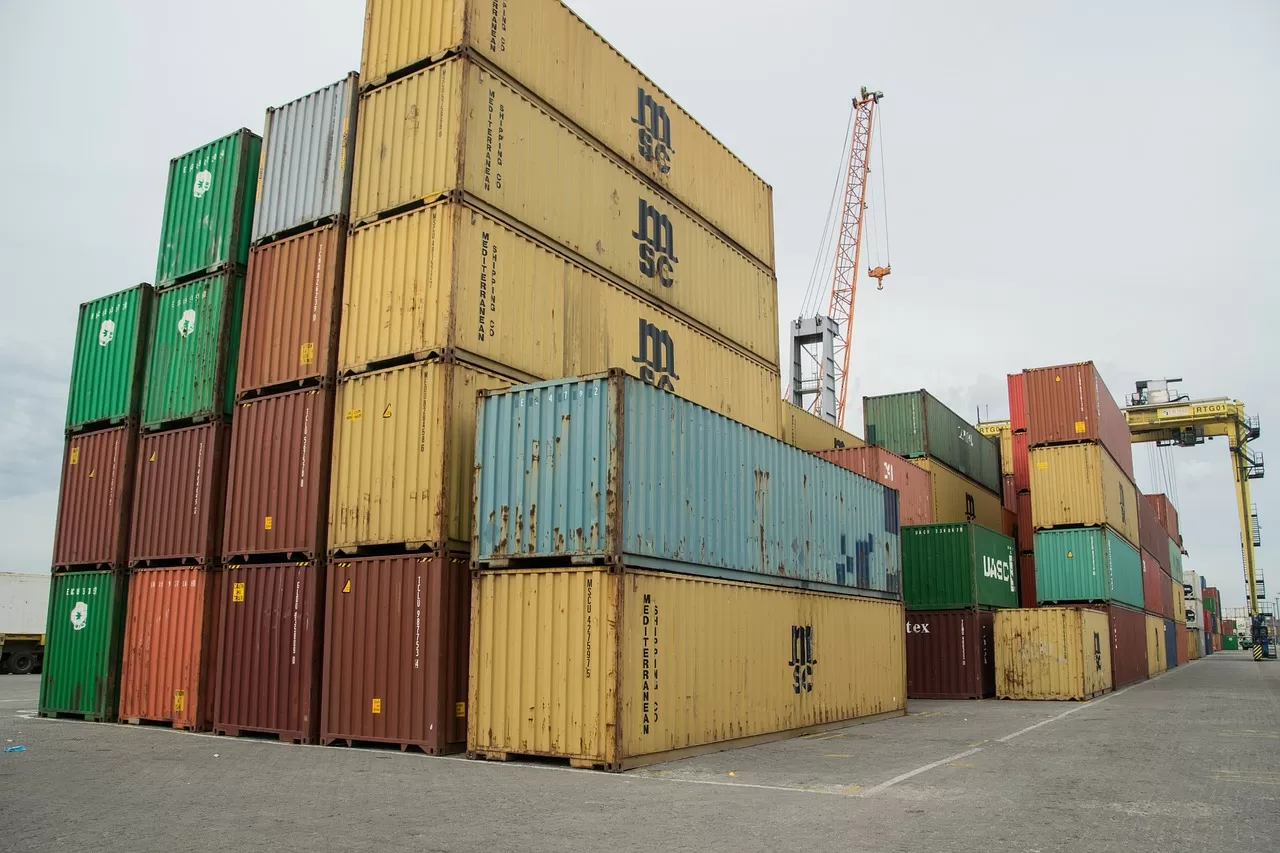
What imported cosmetics have to pass first is the qualification review checkpoint. According to current regulations, overseas manufacturing enterprises need to file in advance:
- Submit the Certificate of Free Sale issued by the official of the country of origin
- Register and file through the Responsible Entity within China (such as Zhongshitong)
- Provide the complete product formula and production process
After the goods arrive at the port, the customs will conduct a three-level review:
- Document review (filing vouchers, packing lists, etc.)
- On-site inspection (packaging integrity, label compliance)
- Laboratory testing (microorganisms, heavy metals and other indicators)
According to the Measures for the Administration of Cosmetics Labels, Chinese labels must include:
- Product name (no ambiguity with the foreign name)
- Full ingredient labeling (arranged in descending order of content)
- Expiration Date (specific to year, month, and day)
- Information of the country of origin and the responsible person within the territory
The comprehensive tax rate of imported cosmetics can reach 30%-50%:
- Value-added tax rate of 13% (current in 2023)
- Consumption tax of 15% (for high-end cosmetics)
- Tariff of 5%-10% (which can be reduced or exempted according to free trade agreements)
For consumers who want to try something new, these channels are more convenient:
- Cross-border e-commerce (shipping from bonded warehouses, requiring real-name authentication)
- Overseas direct mail (personal postal tax rate of 50%)
- Duty-free shop channels (limited to purchases when entering or leaving the country)
After reading about this complicated customs clearance journey, perhaps you can understand why imported cosmetics in specialty counters are always more expensive and launched later than their overseas versions. Next time when you make a purchase, you might as well log on to the official website of the Food and Drug Administration to query the filing information, or scan the QR code of the product to verify its authenticity. If you have special import needs, you can also contact professional service agencies like Zhongshitong.
What problems have you encountered when purchasing imported cosmetics? Welcome to share your "bitter experiences" or "pit avoidance guides" in the comment section.
- Further Reading
- There are so many ins and outs in the Import Agency Fees in Hubei!
- Import Agents for Chemical Products in Fujian, Too Complicated?
- How Many Tricks Are Hidden in Haikou Import-Export Agency Services?
- Is the agency business of imported cosmetics too complicated? 80% of people have fallen into these 5 pits.
- Furniture Import Agency? There's a lot to know about this!
- Is Import Agency Really That Amazing? Unveiling the Truth Behind It
If you require China procurement agency or import-export agency services, please get in touch with us through the following channels. Our professional consultants will reach out to you promptly for personalized support.
Friendly Reminder


Latest Comments (0) 0
Leave A Comment