

How Deep Are the Pitfalls of Product Customs Declaration?
Mr. Zhang stared at the customs declaration form on his computer screen. As he revised the product code for the 7th time, it suddenly dawned on him—these few flimsy sheets of paper might determine business success more than the product itself. In the customs declaration hall, Ms. Li was struggling with a batch of detained samples, all because the declared value was $5 short. These daily dramas reveal a harsh truth: 90% of cross-border trade problems get stuck at customs declaration, this "invisible checkpoint".
When you see "customs clearance delayed" on e-commerce platforms, there's often precise calculation behind it: An 8-10 digit difference in product codes can make tariffs jump from 5% to 20%. In one real case, a batch of "stainless steel kitchenware" used code 7323.93 (23% tariff) instead of 7323.99 (8% tariff), wiping out all profits.
- HS Code Traps: With over 5,000 global product classifications, even "wheeled chairs" must be distinguished as office chairs (9401.61) or wheelchairs (8713.10)
- Declaration Value Nuances: The $800 duty-free threshold for personal items differs entirely from commercial declaration standards
- Origin Mysteries: iPhones assembled in Vietnam still require Chinese origin declaration, and RCEP tariff reductions need specific FORM documents
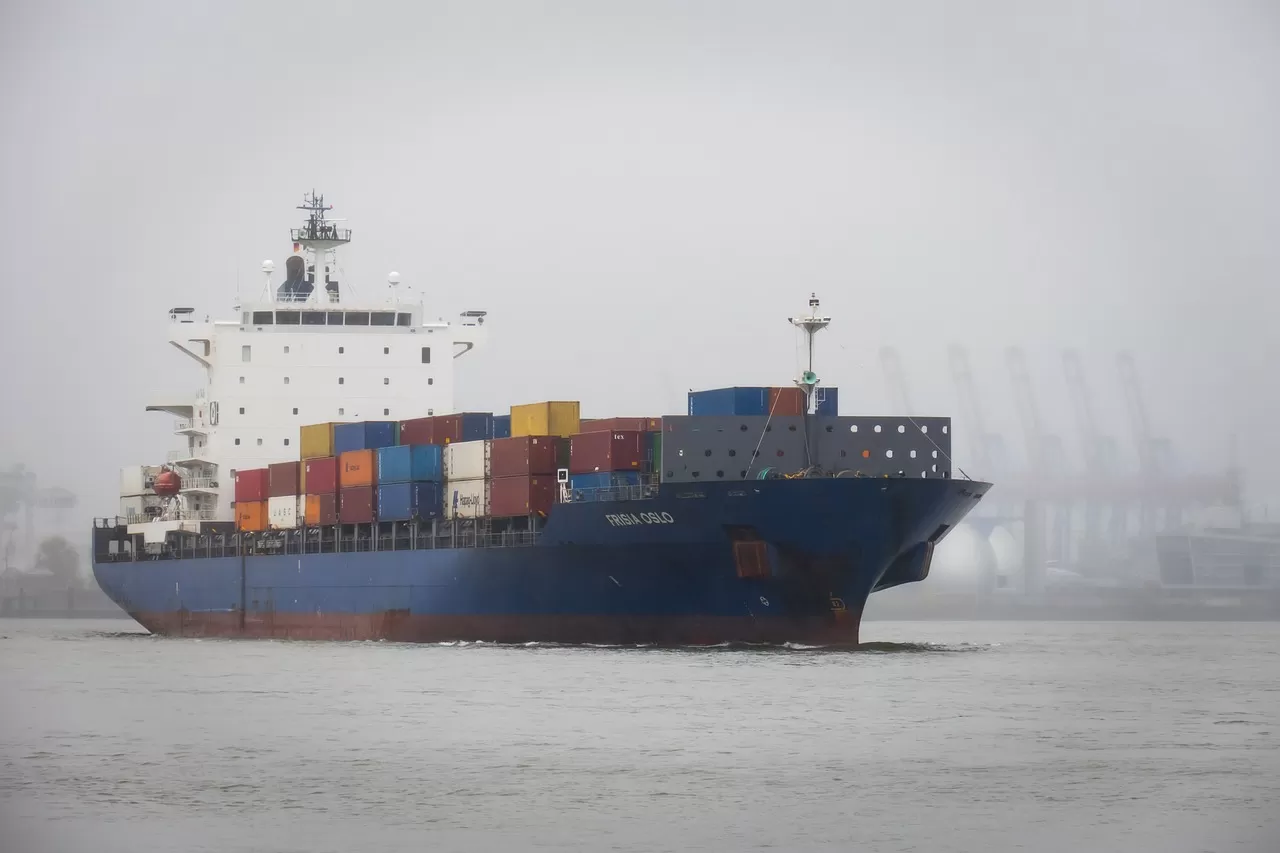
Ms. Wang's ceramic crafts were returned in full containers due to "lack of pre-shipment inspection," costing $170,000 in freight; Mr. Zhao's smart devices with lithium batteries lacked UN38.3 labels, stranded in airport warehouses for 28 days. These lessons point to three core minefields:
- Incomplete Documents: Proforma invoices, packing lists, quality reports, and certificates of origin are all essential
- Inaccurate Declarations: Customs big data cross-checks platform prices—under-declaration risks 3x fines
- Prohibited Items: Magnetic products need field tests, food requires pre-registration, cosmetics need health permits
The "3+3" method recommended by Zhongshi Tong customs experts is gaining industry traction:
- 3 Advance Steps: Pre-classify HS codes, pre-review declaration elements, pre-enter system checks
- 3 Key Controls: Track logistics for document-cargo consistency, on-site checks to prevent errors, maintain 3-year digital records
While AEO-certified companies enjoy under 1% inspection rates, others face 10% random checks. This reminds us: customs declaration isn't just technical—it's strategic. Before clicking "ship," ask:
- Does our product face special regulations in the target country?
- Can our current declarations withstand post-clearance audits?
- Is there room to optimize tariff costs?
- Further Reading
- The wine import agency companies actually hide so many secrets!
- Do You Really Understand Consignment Import Agency?
- Shanghai Container Shipping Export Agency: Your Global Trade Partner
- Only 50,000 yuan in tax refund for a 1 - million - yuan export? The truth about tax refunds that foreign trade professionals must know
- How Much Hidden Profit is in Import-Export Agency?
- Stop Being Ripped Off by Agencies! Exposing the Dark Side of Shijie Import-Export License Applications
If you require China procurement agency or import-export agency services, please get in touch with us through the following channels. Our professional consultants will reach out to you promptly for personalized support.
Friendly Reminder


Latest Comments (0) 0
Leave A Comment