

Export agency fees? Here's everything explained clearly!
On the grand stage of international trade, export operations are booming. However, for many businesses and individuals, export agency fees remain as confusing as a thick fog. Today, let's thoroughly discuss this topic to give you a clear and comprehensive understanding of export agency fees.
Customs clearance fees: This is an essential part of the export process. Customs brokers must accurately declare all relevant information about the goods to customs authorities, involving extensive documentation and procedures, which naturally incurs corresponding costs. For example, Mr. Zhang previously incurred certain costs for customs clearance when exporting a batch of goods.
Transportation fees: Goods need to be transported from domestic to international locations via various methods such as sea, air, or land freight. Different transportation methods have vastly different pricing standards. Ms. Li's company chose sea freight for their exports, with costs calculated based on the goods' weight, volume, and shipping distance.
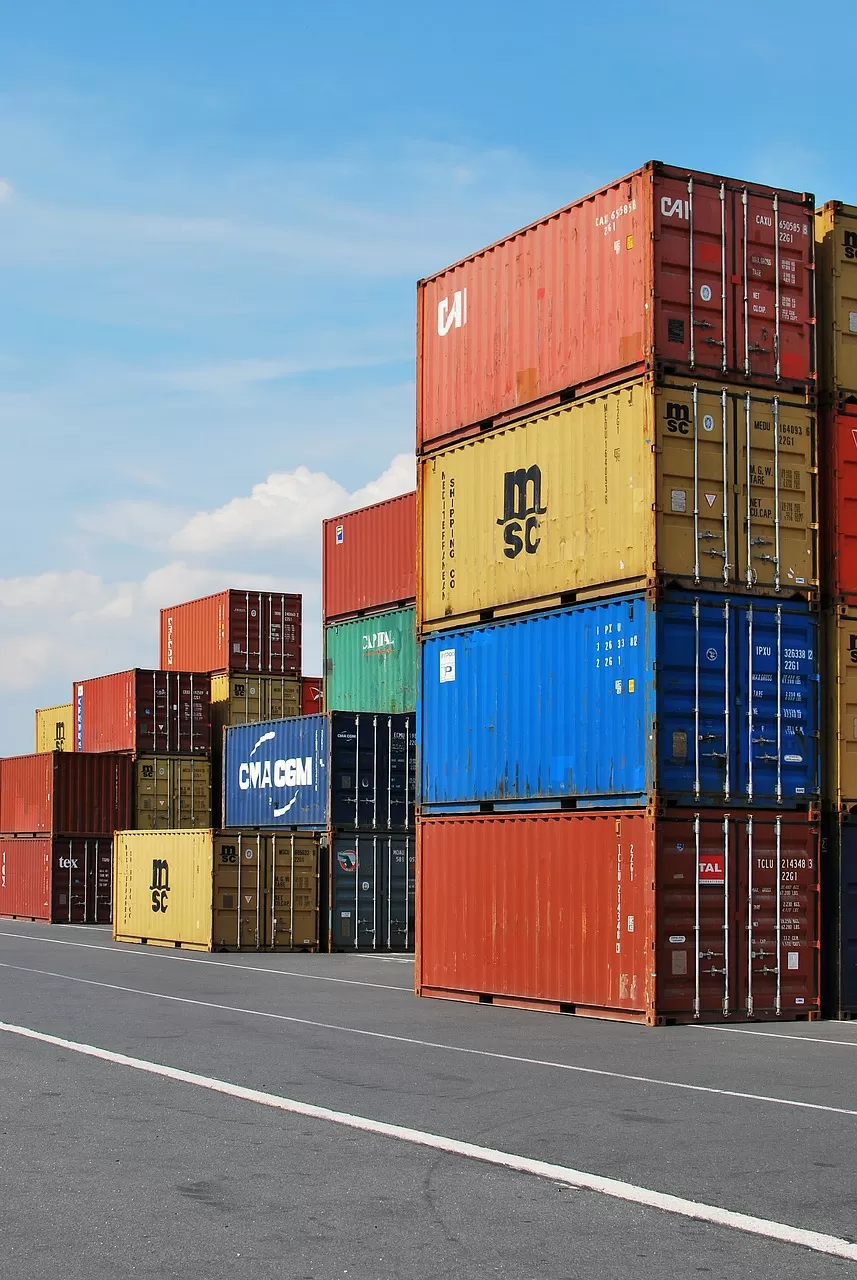
Agency service fees: These are service charges paid to export agency companies. These agencies handle various export procedures and coordinate relationships between parties, requiring compensation for their labor. These fees are typically determined based on factors like the value and quantity of exported goods.
- Type of goods: Different goods have varying customs clearance requirements and transportation difficulties. For example, special chemical products may require more complex customs procedures and special transportation conditions, leading to higher fees.
- Export destination: Shipping to remote or politically unstable regions may increase transportation costs and potentially incur additional risk fees, thereby raising overall export agency fees.
- Service level of the agency company: High-quality, experienced agencies may charge more but can handle issues more efficiently, avoiding unnecessary troubles. Smaller or less professional agencies might offer lower fees but potentially compromise service quality.
First, gain a basic understanding of export procedures. This knowledge will give you confidence when negotiating fees with agencies. Mr. Zhang, for instance, became more assertive in fee negotiations after studying export processes, securing more reasonable rates.
Second, compare quotes from multiple agencies. Fee structures can vary significantly between companies, and thorough comparison helps identify the best value-for-money option. Ms. Li's company eventually found a reasonably priced, competent agency after extensive comparisons.
Finally, pay attention to contract terms. Clearly specify all fee details in the contract to avoid future disputes or unexpected additional charges.
In summary, while export agency fees may seem complicated, understanding their intricacies allows for effective cost control, ensuring smoother export operations. We hope this guide helps you navigate export agency fees with confidence. If you have any experiences or questions, feel free to share them in the comments—let's discuss and grow together.
- Further Reading
- Domestic Brand Export Agency Companies: A Boon or a Hindrance?
- Is the import and export agency business too complicated? Beijing enterprises avoid pitfalls like this
- Changsha Container Shipping Export Agency: Your Global Cargo Pass
- Hidden fees in freight forwarding charges? Shanghai veteran teaches you how to avoid pitfalls
- The Inside Story of Wuhan Agency Fees: The Tricks to Overcharge You are Hidden Here
- Export Agency for Quanzhou Home Furnishing Products, There Are So Many Tricks!
If you require China procurement agency or import-export agency services, please get in touch with us through the following channels. Our professional consultants will reach out to you promptly for personalized support.
Friendly Reminder





Latest Comments (0) 0
Leave A Comment