

Do You Really Understand the Customs Declaration for Wood Import and Export?
On the grand stage of international trade, wood import and export occupies an important place. Whether it is for the production of exquisite furniture or the extensive application in the construction field, wood plays an indispensable role. However, wood import and export is not a simple buying and selling transaction, and the customs declaration process is the key part. A slight mistake may lead to a series of problems. Today, let's explore the mysteries of the customs declaration for wood import and export together.
When declaring the import of wood, the first step is to make a declaration. The importer needs to fill in the customs declaration form truthfully, providing detailed information such as the type, quantity, value, and origin of the wood. This step is crucial, as the accuracy of the information directly affects the subsequent processes. Next comes the inspection process. The customs will inspect the goods to verify whether the declared content matches the actual goods and check for any cases of smuggling or false declaration. After the inspection is completed without any issues, it is time for taxation. According to the type of wood and the relevant tax rates, the corresponding customs duties and value-added taxes will be calculated and levied. Only after completing these steps can the wood pass through customs smoothly and enter the domestic market. The process of export customs declaration is similar. It is necessary to ensure that the source of the wood is legal, complies with the relevant standards of the destination country, and complete the procedures such as declaration, inspection, and release.
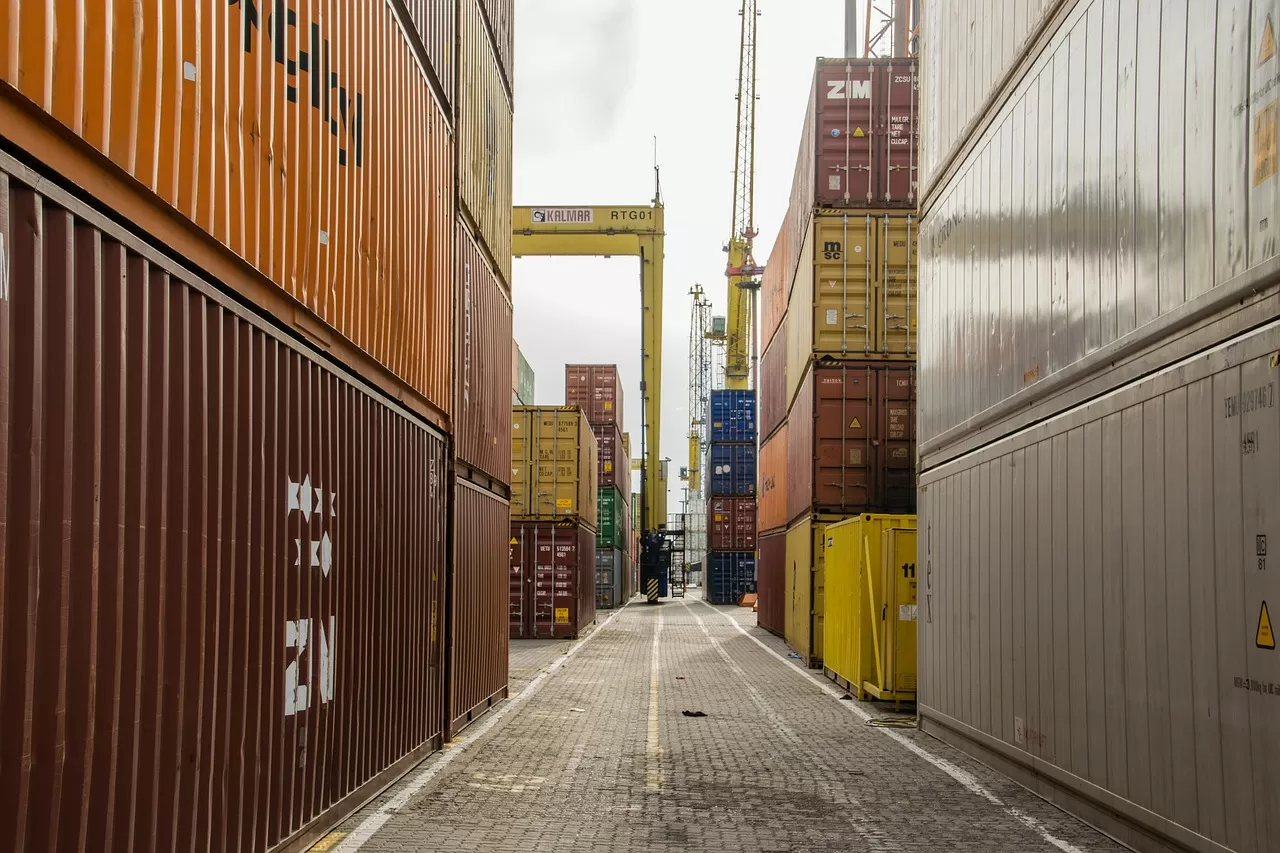
Accurate and complete customs declaration documents are the basis for smooth customs clearance. First is the commercial invoice, which records in detail the basic information of the wood transaction, such as the buyer and seller, the description of the goods, and the price. It is an important basis for the customs to determine the value of the goods. The bill of lading represents the ownership of the goods, ensuring that the goods can be accurately delivered to the consignee. There is also the packing list, which needs to clearly list the specific specifications and quantities of each box of wood. In addition, for imported wood, the certificate of origin is indispensable. It not only relates to tariff preferences but also proves the legality of the source of the wood, preventing illegally harvested wood from flowing into the domestic market. If endangered wood species are involved, special documents such as the permit for importing endangered species are also required to be processed.
Different types of wood have different requirements during customs declaration. Common ordinary woods, such as pine and birch, have relatively routine customs declaration procedures, but it is also necessary to accurately declare information such as the specifications and grades of the wood. For some precious woods, such as mahogany, due to their high value and the fact that some varieties are under international protection, in addition to the routine documents, additional proof documents may be required during customs declaration to ensure that their sources are legal and compliant. Meanwhile, the quarantine standards for wood vary from country to country. Some countries may have strict restrictions on pests and diseases in specific woods. Therefore, before import and export, it is necessary to clearly understand the quarantine requirements of the destination country and make corresponding preparations in advance to avoid the goods being returned or destroyed due to quarantine problems.
The customs declaration for wood import and export involves numerous laws, regulations, policies, and complex processes. For enterprises, choosing professional customs declaration services such as Zhongshitong is of great importance. Professional customs declaration companies are familiar with the customs declaration requirements of various types of wood, can quickly and accurately prepare customs declaration documents, and reduce declaration errors. They also have rich experience and can flexibly handle various problems that arise during the customs inspection process, improving the efficiency of customs clearance and saving the time and costs of enterprises. In addition, professional customs declaration companies can promptly grasp the latest changes in laws, regulations, and policies, provide compliant customs declaration plans for enterprises, and avoid risks caused by unclear policies.
The customs declaration for wood import and export may seem complicated, but as long as you master the rules and key points, strictly follow the laws, regulations, and policies, and choose professional customs declaration services, you can complete the customs clearance smoothly and ensure that the wood moves freely on the stage of international trade. If you have any questions or needs regarding the customs declaration for wood import and export, you are welcome to communicate and discuss with us to jointly solve the customs declaration problems.
- Further Reading
- Import and Export Customs Declaration System: A Must-Have Tool for Foreign Trade Enterprises
- Imported Wood Board Agency: The Neglected Hundred-Billion-Dollar Market
- Do You Really Understand the Quotations for Export Customs Declaration and Clearance?
- Stop declaring customs by yourself! Import and export customs declaration agency is the wise choice.
- Can toy export customs declaration be this simple?
- Do you really understand Hong Kong export customs declaration agents?
If you require China procurement agency or import-export agency services, please get in touch with us through the following channels. Our professional consultants will reach out to you promptly for personalized support.
Friendly Reminder






Latest Comments (0) 0
Leave A Comment