

You actually don't know about import and export tax rebate!
Hey, friends who are engaged in foreign trade or interested in import and export business! Today, we are going to have a good chat about something quite important in the import and export field, but which may still be poorly understood by many people - import and export tax rebate. Does it sound a bit mysterious and high - end? Don't worry, follow this article of mine and let's get a thorough understanding of it!
1. Basic definition
Import and export tax rebate, simply put, is a tax policy in which the country refunds the value - added tax, consumption tax, etc. paid in accordance with tax laws in various domestic production and circulation links for export goods that have been declared for customs clearance and left the country to the export enterprises. It's like a kind of "subsidy" from the country to export enterprises, encouraging them to actively promote their products to the international market and enhance their international competitiveness. For example, Mr. Zhang's company produced a batch of high - quality electronic products ready to be exported abroad. During the domestic production process, a lot of value - added tax was paid. After this batch of products successfully completed customs declaration and left the country, there is an opportunity to apply for a refund of part of the tax according to relevant regulations.
2. Purpose of tax rebate
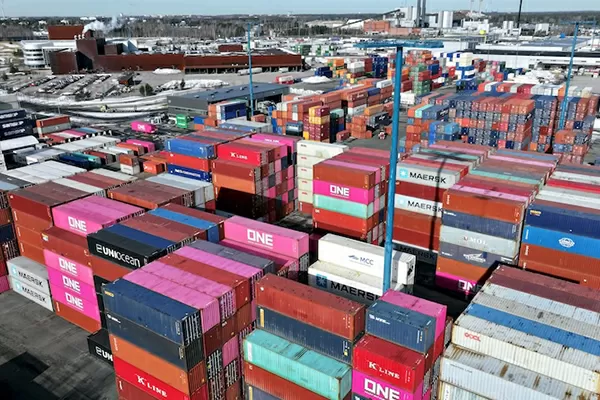
The implementation of the import and export tax rebate policy by the country is of great significance. On the one hand, it is to encourage enterprises to earn foreign exchange through exports, enabling our country's products to shine on the global market and increase the international market share. After all, with this favorable tax rebate, the cost of enterprises' exported products can be reduced, giving them a greater price advantage. On the other hand, it also promotes the adjustment and optimization of the domestic industrial structure. Through the tax rebate policy, enterprises are guided to strive in the industrial directions that the country hopes to develop, making the industrial development healthier and more reasonable. Take the textile industry as an example. If the country has a relatively large tax rebate for the export of some high - end textile products, it will attract more enterprises to invest in the research, development, and production of such products, promoting the high - end development of the entire textile industry.
3. Conditions for tax rebate
Of course, not all import and export situations can enjoy tax rebates. Generally speaking, enterprises must be exporters of goods within the scope of value - added tax and consumption tax collection, and they must have completed the export customs declaration procedures, and the goods must have actually left the country. In addition, the export goods must be accounted for as sales in the financial aspect, and accurate relevant certificates such as the export goods declaration form and special value - added tax invoices must be provided. Ms. Li's company once had a small error in the customs declaration procedures, resulting in an inability to apply for tax rebates smoothly at the beginning. Later, it took a lot of effort to complete the procedures and successfully apply for tax rebates. Therefore, enterprises must grasp these conditions well and not be careless about any of them.
4. Tax rebate process
Having understood the basic situation of tax rebates, how do we actually operate? First of all, enterprises need to declare for export tax rebates within the specified time, and prepare relevant declaration materials, such as the declaration forms and invoices mentioned earlier. Then submit these materials to the local tax authorities. The tax authorities will review the declaration materials. If the review is passed, they will calculate the tax amount to be refunded according to the specified tax rebate rate, and finally refund the tax to the enterprises. However, this process cannot be rushed. Every step must be rigorous and meticulous. If there are problems with the materials or they do not meet the regulations, it may be necessary to repeatedly modify and supplement them, resulting in an extension of the tax rebate time.
Well, that's all for the introduction of import and export tax rebate for now. Do you feel that you have a clearer understanding of it? In fact, import and export tax rebate plays a crucial role in the development of enterprises and the country's foreign trade. If you are engaged in foreign trade - related work or plan to do so, you must study the import and export tax rebate policy carefully. Maybe it can bring unexpected benefits to your enterprise! If you have other questions about import and export tax rebate or want to share your experiences, you are welcome to leave a message in the comment section. Let's discuss together!
- Further Reading
- Huadu Import and Export Tax Rebate Enterprises: Do You Really Understand the Secrets?
- Do You Really Understand the Process of Handling Import and Export Tax Rebates?
- Don't Miss Out Again! These Hidden Secrets Lie in the Export Tax Rebate of Import and Export Agency Companies
- Wuhan import and export agency export tax rebate, do you really understand it?
- Import and Export Agency Export Tax Rebate? You Must Know the Tricks Inside!
- Import and Export Agency Export Tax Rebate? Know All About It Here!
If you require China procurement agency or import-export agency services, please get in touch with us through the following channels. Our professional consultants will reach out to you promptly for personalized support.
Friendly Reminder






Latest Comments (0) 0
Leave A Comment