

The "Matryoshka" Game in Sino-Japanese Trade
When Mr. Zhang first discovered that the "Made in China" goods ordered by his Japanese customer were actually produced in Vietnam, he realized that he had touched a little-known trade field - Sino-Japanese Entrepot Trade. This trade model that circulates through a third country is quietly changing the pattern of the East Asian supply chain. Today, let's uncover this mysterious veil.
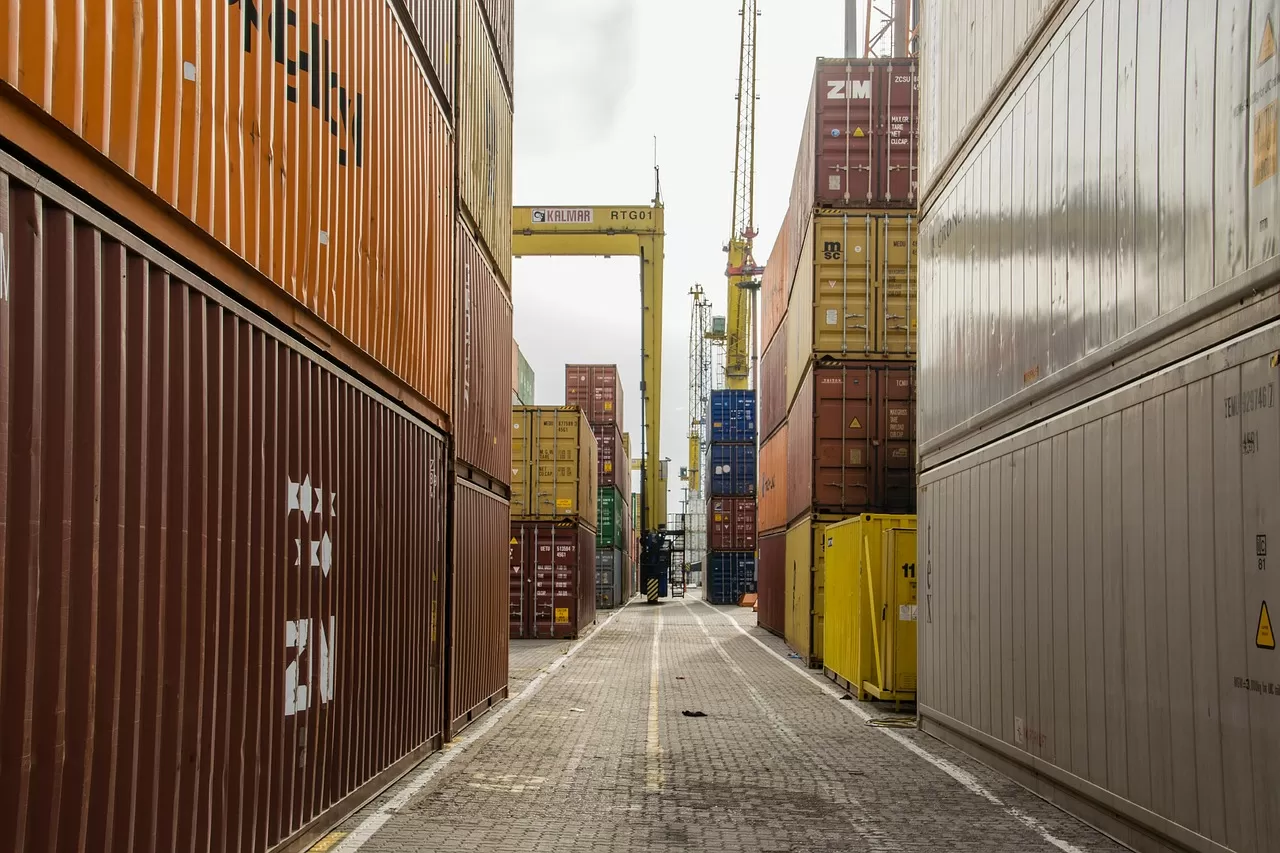
Entrepot trade, in simple terms, is that goods are exported from China to a third country (such as Singapore, Vietnam), and after simple processing or repackaging, they are then exported to Japan in the name of the origin of the third country. This model can help enterprises evade some tariff barriers, especially for sensitive goods with trade restrictions between China and Japan.
- Cost Advantage Case: Ms. Li's electronic components saved 12% of the comprehensive cost through entrepot trade in Malaysia
- Logistics Flexibility: Utilize the bonded area of Busan Port in South Korea for sub-packaging
- Compliance Buffer Zone: Certain goods subject to export controls gain access through compliant entrepot trade
Successful Sino-Japanese entrepot trade requires precise control of three core links:
- Origin Certification: It is necessary to ensure that the re-exporting country can issue certification documents that meet the requirements of the Japanese customs
- Logistics Time Management: The average transportation cycle is increased by 7-15 days, and a buffer inventory needs to be established
- Fund Flow Design: Use back-to-back letters of credit to reduce settlement risks
China World Trade Consultants found that in the past two years, the Japanese customs have become increasingly strict in the review of entrepot goods. A batch of textiles re-exported through Thailand was detained in full container due to unclear origin identification, causing a loss of hundreds of thousands of yuan. It is recommended that enterprises pay special attention:
- Avoid using goods from sensitive industries (such as semiconductor materials) for entrepot trade
- Prepare complete proof documents of the processing process in advance
- Pay attention to the updated preferential tariff list of Japan every year
With the application of blockchain technology, entrepot trade is becoming transparent and traceable. A cross-border e-commerce platform automatically matches the bonded warehouses in China, Japan, and South Korea through smart contracts, shortening the entrepot time to 72 hours. This innovative model may herald a new form of future trade.
Next time when you see a product labeled "Made in Vietnam" but with familiar process traces, you might think: Is there a trade journey across three countries hidden behind it? Welcome to share your encountered entrepot trade cases in the comment section, or consult the expert team of China World Trade for personalized solutions.
- Further Reading
- Is Refund Advance a Scheme of Getting Something for Nothing? The Cash Flow Magic of Seasoned Foreign Trade Professionals
- Do you really understand import agency and trade financing services?
- Is there a mystery hidden in export tax rebates? A wealth code that foreign trade people must see
- Do you know that the role of entrepot trade is surprisingly significant?
- Attention, foreign trade bosses in Neijiang! These customs declaration minefields are eating into your profits
- Has Foreign Trade Export Died? Three Key Data Points Reveal the Truth
If you require China procurement agency or import-export agency services, please get in touch with us through the following channels. Our professional consultants will reach out to you promptly for personalized support.
Friendly Reminder


Latest Comments (0) 0
Leave A Comment