

Shocking! There are so many tricks in transit trade and entrepot trade
On the vast stage of international trade, there are many dazzling forms of trade. Today, let's lift the veil and deeply explore these two special trade methods, transit trade and entrepot trade. This can not only broaden our cognitive vision of international trade but also provide practical knowledge "weapons" for relevant practitioners and enthusiasts.
Transit trade, simply put, means that when goods are on their way to the destination, they need to pass through the territory of a third country. Suppose Mr. Zhang's company purchases a batch of electronic products from Country A and is going to ship them to Country B, and the shipping route must pass through Country C. In this case, transit trade occurs.
Transit trade is usually divided into direct transit trade and indirect transit trade. In direct transit trade, during the stay of goods in the third country, no processing, storage, etc. are carried out, and the goods directly pass through the territory of the third country. For example, the goods only make a brief stop at the port of the third country and then continue to be shipped to the destination. Indirect transit trade is different. The goods may undergo some simple sorting, classification, etc. in the third country, and may even be stored in a warehouse for a while, but essentially, the basic state of the goods has not changed.
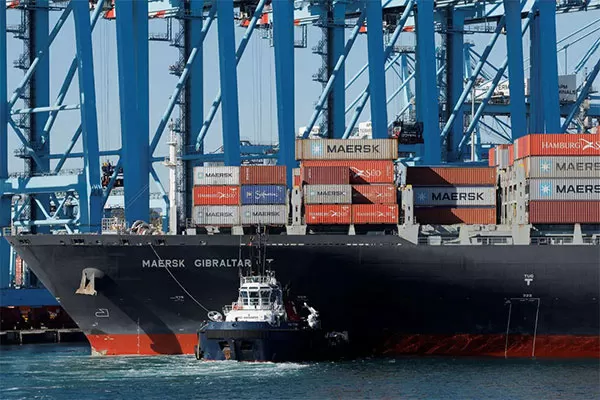
For the third country, transit trade can bring some relevant revenues such as port use and transportation services, and promote the development of its logistics and related industries. At the same time, it also helps to strengthen the economic ties between the third country and the two trading countries.
Entrepot trade presents a different "scene". Ms. Li's trading company purchases a batch of special textiles from Country D. Instead of directly shipping the goods to the final sales destination, Country E, it first ships them to Country F where she is located. In Country F, operations such as repackaging the goods and attaching its own brand label are carried out, and then the goods are exported to Country E. This is a typical entrepot trade.
The key to entrepot trade is that the ownership of the goods is transferred to the entrepot trader. The entrepot trader earns the price difference by buying low and selling high. Moreover, entrepot trade often comes with certain value - added services, such as repackaging and brand labeling in the above example, to increase the added value of the goods.
From the enterprise's perspective, entrepot trade can help enterprises avoid some trade barriers. For example, when Country E sets high tariffs on textiles from Country D, through entrepot trade, exporting from Country F to Country E may be able to take advantage of the more favorable trade agreement between Country F and Country E to reduce tariff costs. At the same time, the entrepot trader can also better grasp the sales timing and price based on its understanding of the market to obtain greater profits.
There are obvious differences between transit trade and entrepot trade. In transit trade, the third country generally does not involve the transfer of ownership of the goods and mainly provides services such as transportation channels. In entrepot trade, the trader in the entrepot country owns the ownership of the goods and conducts value - added operations on the goods.
However, they also have certain connections. Both involve goods passing through a third country and, to a certain extent, rely on the logistics, warehousing and other infrastructure of the third country. Moreover, both transit trade and entrepot trade play a positive role in promoting the diversification of international trade and the rational allocation of global resources.
Both transit trade and entrepot trade have left a unique mark in the long history of international trade. For enterprises and trade practitioners, in - depth understanding of these two trade methods can enable them to keenly capture business opportunities in the complex and changeable international market and formulate more flexible and effective trade strategies. At the same time, it is hoped that everyone can actively share their experiences and insights in trade practices and jointly discuss the future development trends of these two trade methods.
- Further Reading
- Tax Rebate Battle: The Profit Code That Foreign Trade People Dare Not Reveal Publicly
- Stop groping blindly! This import agency company in Taiyuan has such amazing tricks
- Agency for Potato Exports from Tianjin Port: There Are So Many Tricks!
- The tax refund arriving in the account is pure profit! A cash secret guide that foreign trade bosses must read
- Is the wine transit import agency too complicated?
- 5 Fatal Blind Spots in Chongqing's Foreign Trade Customs Clearance
If you require China procurement agency or import-export agency services, please get in touch with us through the following channels. Our professional consultants will reach out to you promptly for personalized support.
Friendly Reminder


Latest Comments (0) 0
Leave A Comment