

Revealing the Process of Entrepot Trade: Do You Really Understand It?
On the grand stage of global trade, entrepot trade, with its unique operating mode, has become an important means for many enterprises to expand international markets and optimize trade strategies. Today, let's explore the process of entrepot trade in depth and unveil its mysterious veil.
Entrepot trade, also known as transit trade, refers to the buying and selling of imported and exported goods in international trade. It is not carried out directly between the producing country and the consuming country, but through a third country. This kind of trade is entrepot trade for the transit country. Most of the countries or regions engaged in entrepot trade have advantageous geographical locations, convenient transportation, and few trade restrictions, such as Singapore, Hong Kong, etc.

The process of entrepot trade is relatively complex. Let's break it down step by step.
- Finding Trade Partners and Signing Contracts: First, domestic traders (assuming Mr. Zhang) find suitable suppliers and buyers through various channels, such as industry exhibitions, trade platforms, etc. Mr. Zhang signs a purchase contract with the supplier, clearly defining the specifications, quantity, price, delivery date, and other terms of the goods; at the same time, he signs a sales contract with the buyer to ensure that the goods have a sales outlet.
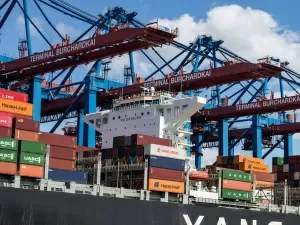
- Arranging Goods Transportation: The supplier ships the goods to the transit country (region). Usually, a place with good port facilities and logistics services will be chosen, such as Hong Kong. After the goods arrive at the port of the transit country (region), they will first enter the designated warehouse. At this step, Mr. Zhang needs to entrust a professional freight forwarding company to be responsible for the transportation, customs declaration, and other matters of the goods.
- Handling Goods and Re-exporting: In the transit warehouse, the goods may need to undergo some simple processing according to requirements, such as repackaging, labeling, etc., to meet the requirements of the target market. After that, Mr. Zhang arranges the goods to be re-exported from the transit country (region) to the country where the buyer is located. During this process, customs declaration procedures for re-export need to be handled.
- Settling Payment for Goods: The settlement of payment for goods involves multiple links. Generally, Mr. Zhang will pay the supplier according to the purchase contract and collect payment from the buyer according to the sales contract. In terms of settlement methods, common ones include letters of credit, telegraphic transfers, etc. For example, the buyer may issue a letter of credit to Mr. Zhang through the bank. Mr. Zhang will collect money from the bank with relevant documents and then pay the supplier.
Although entrepot trade has many advantages, it also comes with some risks.
- Goods Risks: The goods may face risks such as damage and loss during transportation and storage. The countermeasure is that Mr. Zhang should purchase sufficient goods transportation insurance and choose freight forwarders and warehouses with good reputations.
- Policy Risks: The trade policies of the transit country (region) and the countries where the buyer and the seller are located may change, affecting the smooth progress of trade. Mr. Zhang needs to closely monitor the policy dynamics of various countries and make contingency plans in advance.
- Credit Risks: The supplier or the buyer may have credit problems, such as not delivering goods on time or not paying. Mr. Zhang can reduce risks by conducting credit investigations, choosing reliable trade partners, and using settlement methods reasonably.
Entrepot trade provides enterprises with broader trade space and profit growth points. However, only by thoroughly understanding its process and effectively preventing and controlling risks can they move forward steadily in this complex trade field. It is hoped that the vast number of trade practitioners can explore a suitable path of trade development for themselves by learning the process of entrepot trade and combining their actual situations.
- Further Reading
- Do you know that the role of entrepot trade is surprisingly significant?
- Free Trade Zone Entrepot Trade: Business Opportunity or Trap?
- Is the process of import customs declaration too complicated? This guide to avoid pitfalls is worth millions!
- Always stuck in customs clearance? This invisible helper can reduce processing time by 80%
- Do You Really Understand the Customs Clearance Process for Exporting Equipment?
- Does Entrepot Trade Require Business Tax Payment? 90% of Enterprises Get It Wrong!
If you require China procurement agency or import-export agency services, please get in touch with us through the following channels. Our professional consultants will reach out to you promptly for personalized support.
Friendly Reminder




Latest Comments (0) 0
Leave A Comment