

Returned Goods Overcharged on Tariffs? You Might Have Fallen Into These 3 Pitfalls
"Goods worth $200,000 were rejected by an overseas client, and returning them required paying tariffs again?" Mr. Zhang recently encountered this frustrating situation. In international trade, returned goods are like a "regret pill," but without understanding customs rules, this pill can be more bitter than the original problem. This article breaks down the three key steps for return declarations to help you avoid those "hidden pitfalls."
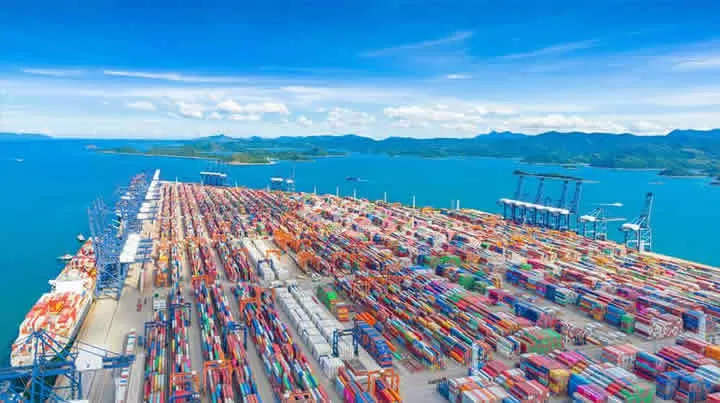
Not all returns qualify for tariff reductions. Customs has strict criteria for recognizing returned goods:
- Goods must be returned in their original condition, unprocessed or unused
- The reason for return must be valid, such as contract termination or quality discrepancies
- Goods must be returned within one year of export (extensions possible under special circumstances)
1. Declaration Phase: When filling out the returned goods declaration form, ensure you select the "returned goods" trade method code (4561). Choosing "general trade" by mistake will result in full taxation.
2. Document Review Phase: Customs focuses on verifying "import-export consistency," including product codes, specifications, and even batch numbers. One company was required to pay a $5,800 difference due to unsynchronized HS code updates.
3. Inspection and Release: It’s advisable to process returns at the original export port. Some ports offer fast-track channels for returned goods. Data from Zhongshi Customs shows professional declarations can reduce processing time by 50%.
- Tariff Trap: If export tax rebates were claimed, taxes must be repaid before returning goods.
- Late Declaration Penalty: Failure to declare within 15 days of arrival incurs a 0.05% daily penalty.
- Storage Fee Black Hole: Extended port storage fees can reach up to 20% of the goods' value.
After completing return declarations, smart businesses do three things: re-inspect product quality, revise acceptance clauses in trade contracts, and establish return alert mechanisms. Data shows companies with robust return management systems see a 37% improvement in re-export qualification rates.
Have you encountered any "unexpected maneuvers" in return declarations? Share your experiences or questions. In our next issue, we’ll reveal advanced strategies for "returned goods repair and re-export." Follow our official account for the latest customs tips.
- Further Reading
- Shenzhen Import and Export Goods Transportation Agency, It's Actually So Important!
- The Hidden Battle of Entrepôt Trade: Who Controls the Global Flow of Goods?
- Are imported goods from New Zealand always detained? You may be missing this trump card
- Attention for Foreign Trade Practitioners! Can Tax Refunds Be Claimed Even Without Receiving Payment for Goods?
- Do You Really Understand the Customs Clearance Procedures for Import and Export Goods?
- Are imported goods always getting stuck? This center in Shijiazhuang breaks the customs clearance curse
If you require China procurement agency or import-export agency services, please get in touch with us through the following channels. Our professional consultants will reach out to you promptly for personalized support.
Friendly Reminder


Latest Comments (0) 0
Leave A Comment