

Is There a "Legal Back Door" for the Anti - dumping Duty on Red Wine?
In the late - night bonded - area warehouse, Mr. Zhang shone a flashlight on rows of wooden boxes printed with French, and whispered into the phone, "This batch of goods will go through Malaysia. The labels and documents have been changed." At the same time, Ms. Li was checking a "Vietnamese Certificate of Origin" in front of her computer. Her client required that this batch of French red wine must "legally avoid" the 43% anti - dumping duty. This is the daily routine of entrepot trade against the backdrop of red - wine anti - dumping.
Since 2023, China has imposed an anti - dumping duty of up to 218% on red wine from some countries, instantly squeezing the profit margins of importers. A certain industry report shows that the sales volume of red wine through traditional import channels has decreased by 37% year - on - year. But curiously, during the same period, the export volumes of red wine from Malaysia and Vietnam to China increased by 412% and 289% respectively.
- Cost Comparison: The direct import cost of French red wine = dutiable value × 143%, while the comprehensive cost only increases by 15 - 20% after transshipment through Southeast Asia.
- Operation Cycle: Entrepot trade extends the logistics time by an average of 22 days, but can save 30 - 50% in taxes and fees.
- Risk Coefficient: In 2022, 67% of the "origin - washing" cases seized by the customs involved red - wine categories.
The customs declaration data of Zhongshitong Logistics shows that the current mainstream operation models present a three - level evolution:
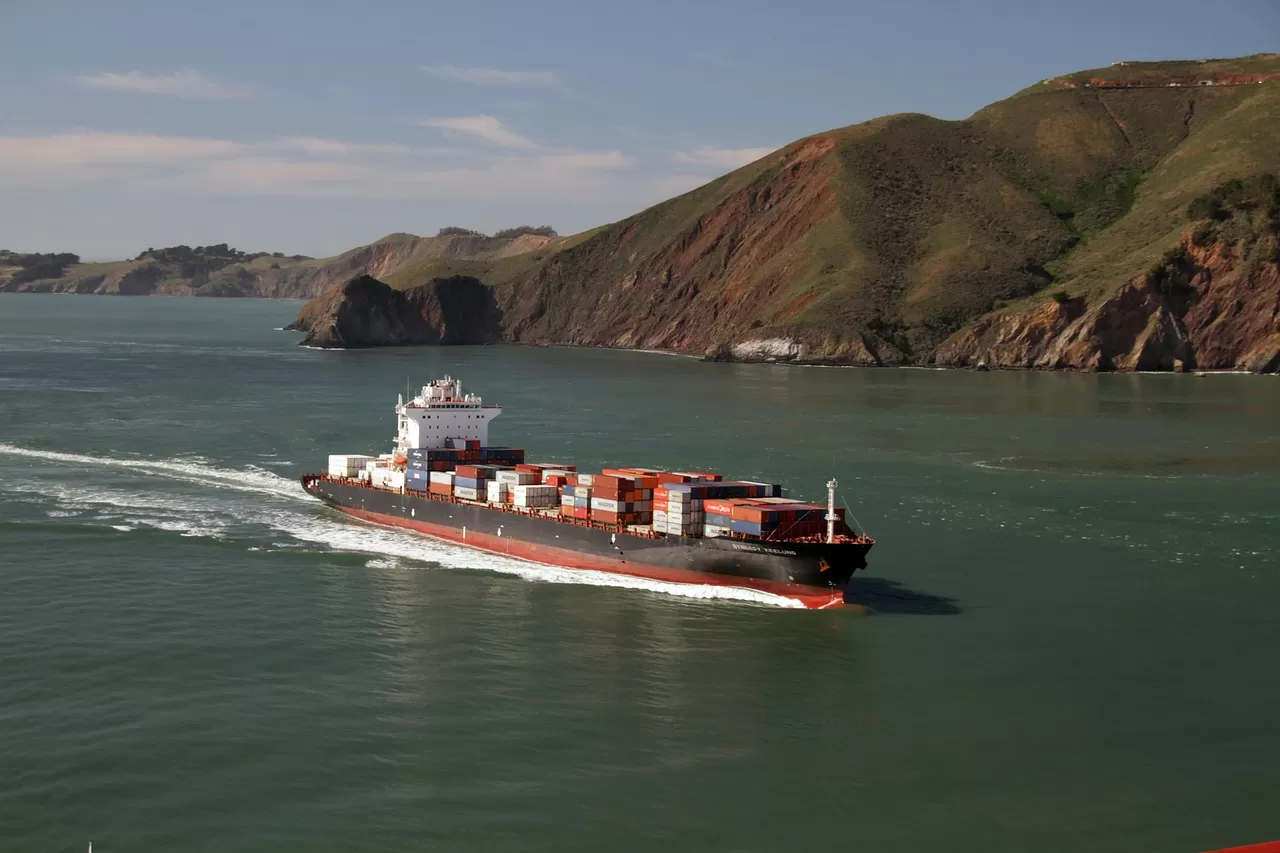
Stage 1.0: Simply replace the freight bill of lading and transship the goods in the original boxes with the original labels;
Stage 2.0: Complete repackaging and relabeling in a third country and apply for a new certificate of origin;
Stage 3.0: Achieve "physical transformation" through blockchain traceability + bonded - area processing.
An industry insider who requested anonymity revealed, "Now even the embossed patterns on the wine bottles need to be modified. Customs identification experts will trace the origin through glass - component analysis."
The newly implemented Regulations on the Origin of Import and Export Goods in 2024 have added a "substantial change" clause, requiring that transshipped goods must be completed in a third country with:
- Change in tariff number
- Processing value - added exceeding 35%
- Completion of the main production process
The General Administration of Customs has piloted the application of the "Wine DNA Database", establishing characteristic spectra of red wines from various countries through spectral analysis. And transshippers have started to use:
- Micro - oxygen regulators to change the chemical characteristics of the wine
- Cross - border bonded processing to achieve "one - day - tour" transshipment
- Fully compliant documents generated by AI
(Welcome to share your insights in the comment section: Is entrepot trade a manifestation of business wisdom or regulatory arbitrage?)
- Further Reading
- Imported Red Wine Agency? I Think It's Doable!
- Revealed: How Much Does It Cost to Be an Imported Red Wine Agent?
- What Makes Chilean Red Wines Conquer Chinese Palates?
- The German red wine agency is making money quietly
- Are there any hidden tricks in the tariffs of imported red wines? 3 Tips to Help You Avoid Sky-High Bills
- Imported Dry Red Wine Agency, Is This a Project That Can Make You a Fortune?
If you require China procurement agency or import-export agency services, please get in touch with us through the following channels. Our professional consultants will reach out to you promptly for personalized support.
Friendly Reminder





Latest Comments (0) 0
Leave A Comment