

Is indirect transportation in entrepot trade really necessary to take a detour?
In the vast territory of international trade, indirect transportation in entrepot trade is like a mysterious maze, attracting numerous trade practitioners to explore. Have you ever wondered why goods are not directly transported to the destination but take a long detour? Today, let's uncover the mystery of indirect transportation in entrepot trade together.
Entrepot trade refers to a trade where the country of origin and the country of consumption of goods do not conduct direct buying and selling transactions, but trade through a third country. Indirect transportation means that in this process, the goods are not directly transported from the producing country to the consuming country, but transshipped in a third country. For example, the company where Mr. Zhang works produces a special electronic product that was originally destined for a certain European country. However, transshipment and indirect transportation through Singapore may bring many benefits.
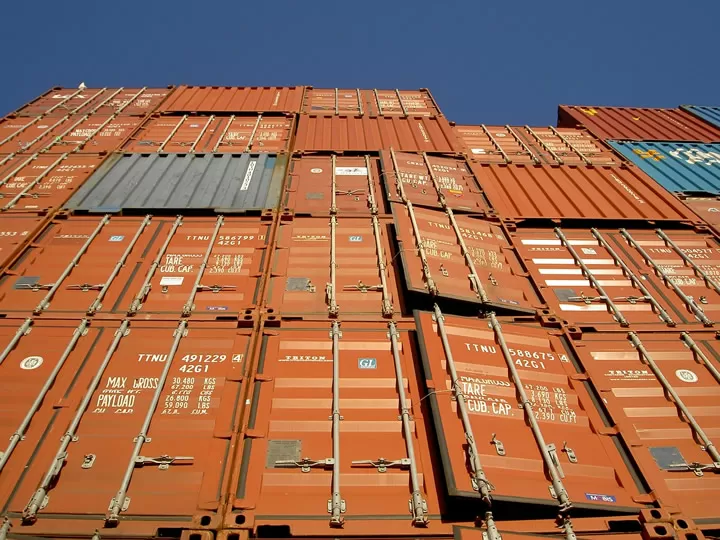
Firstly, evading trade barriers is one of the important reasons. Some countries set high tariffs or strict quota restrictions on specific products. If transported directly, the cost will increase significantly or it may even be unable to enter the target market. Through indirect transportation in entrepot trade, by taking advantage of the preferential trade agreements between the third country and the target country, these barriers can be skillfully bypassed. Just like Ms. Li's textile enterprise, due to the high tariffs of the target country, the product sales were blocked. Later, through transshipment in Malaysia, the tariff cost was successfully reduced and the market was opened.
Secondly, optimizing logistics costs. Some regions have superior geographical locations and complete logistics infrastructure. Transshipment in these places can integrate transportation resources and reduce overall logistics costs. For example, transshipment in Hong Kong, with its efficient port operations, can enable goods to be transshipped quickly and enjoy lower warehousing costs at the same time.
Furthermore, protecting business secrets. For some enterprises, they don't want the producing country and the consuming country to know each other's information directly. Indirect transportation in entrepot trade provides such a barrier. The manufacturing enterprise can handle the transaction through a third - country trader to protect its business relationships and product information.
However, indirect transportation in entrepot trade is not without obstacles. Goods risk is one of them. During the transshipment process, goods may face risks such as damage and loss. Enterprises can reduce such risks by purchasing sufficient insurance. Policy risk cannot be ignored either. Changes in the policies of the third country, the expiration of trade agreements, etc., may all affect entrepot trade. Enterprises need to closely monitor international policy trends and make advance plans. Credit risk also exists. If the third - country trader has poor credit, problems such as arrears of payment may occur. This requires enterprises to conduct credit investigations when choosing partners.
Indirect transportation in entrepot trade is both a window of opportunity in international trade and a field full of challenges. While enterprises use its advantages to expand the market, they must carefully deal with various risks. It is hoped that through the discussion of this article, more trade practitioners can have a deeper understanding of indirect transportation in entrepot trade, find the right direction in the complex international market and make wise decisions. Let's navigate this unique "ship" of indirect transportation in entrepot trade in the tide of international trade and sail to the other side of success.
- Further Reading
- Liaoning Entrepot Trade Companies, Are There So Many Secrets?
- Foreign-funded Entrepot Trade: A Pie or a Trap?
- Jiangmen Indonesia Entrepot Trade: The Hidden Wealth Code?
- Is there really such an operation in entrepot trade? The trade secrets you don't know
- Countertrade and Entrepot Trade: The "Hidden Doors" of International Trade You Don't Know
- Import and Export Goods Transportation Agency Qualification? Things You Must Know!
If you require China procurement agency or import-export agency services, please get in touch with us through the following channels. Our professional consultants will reach out to you promptly for personalized support.
Friendly Reminder


Latest Comments (0) 0
Leave A Comment