

Is Imported Rice Hiding a Hundred-Billion Business Opportunity?
At the port in the late night, a 10,000-ton cargo ship is quietly unloading golden-yellow rice from Southeast Asia. Mr. Zhang stares at the numbers on the customs declaration form and calculates in his mind the profit margin of this batch of goods - this is the 37th batch of imported rice he has handled this year, and it is also the source of raw materials for one out of every ten bowls of rice on Chinese tables. When we choose packaged rice in the supermarket, few people will think about how these grains cross national borders to reach us. Today, let's lift the veil of the mysterious industry of rice import agency.
As the world's largest rice-producing country, China still imported about 6 million tons of rice in 2022. Behind this are three little-known facts:
- Variety Adjustment Demand: Special varieties such as Thai Jasmine Rice and Japanese have a stable consumer group in China
- Price Leverage Effect: When the international market price fluctuates, imported grains can stabilize domestic prices
- Processing Industry Demand: Some food processing enterprises need raw rice with specific indicators
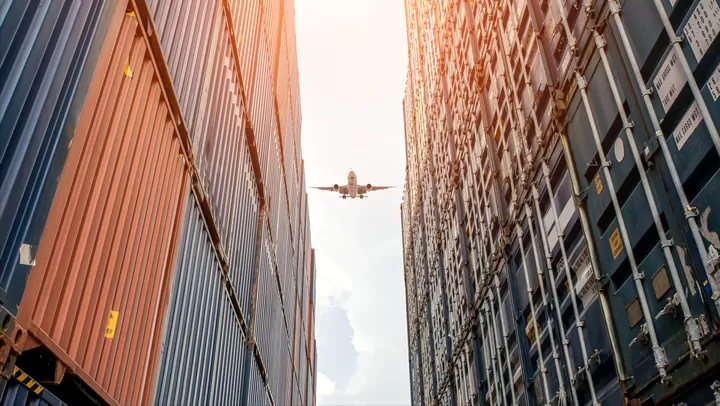
Professional rice import agency requires building a complete service chain:
- Source Control Ability: Establish inspection teams in major producing countries such as Vietnam and Pakistan to ensure that indicators such as grain moisture and impurities meet the standards
- Customs Clearance Agility: Be familiar with the 148 inspection standards of customs quarantine and prepare documents such as SGS certification in advance
- Logistics Optimization Ability: Calculate the cost balance point between sea bulk and container transportation
- Application of Financial Tools: Use tools such as letters of credit and forward foreign exchange hedging to avoid exchange rate risks
The seemingly simple agency business is actually full of reefs. Once, for a batch of 2,000 tons of Cambodian rice handled by Mr. Zhang, additional port detention fees were generated due to the ship detouring to avoid a typhoon, which eventually swallowed up all the profits. Common risks also include:
- Grain heating and mildew during transportation
- Abruptly raised inspection standards at the destination port
- Mistakes in the selection of the foreign exchange settlement time
With the in-depth implementation of the RCEP agreement, rice imports are showing new trends:
- The rise of emerging producing areas such as Myanmar and Laos
- The application of blockchain technology for origin traceability
- Green shipping choices under the requirement of carbon neutrality
Next time you open the rice cooker, think about the cross-border journey these grains may have experienced. Perhaps the rice in your company cafeteria comes from an urgent order handled by an agent late at night. You are welcome to share the special rice varieties you have encountered in the comment section or ask questions about grain trade - your daily food choices are participating in the resource allocation of global agricultural products.
- Further Reading
- Don't choose blindly! If you don't choose the right agency for import and export customs declaration, you will suffer heavy losses!
- The Hidden Traps in Import Clearance Worth Millions
- Surprising! These Secrets Are Hidden in Corn Agency Import
- The Mysteries of Cashew Import and Export Agency You Don't Know!
- The Big Reveal of Red Wine Import Declaration Documents!
- How Deep Is the Water in the Business of Imported Red Wine Agency?
If you require China procurement agency or import-export agency services, please get in touch with us through the following channels. Our professional consultants will reach out to you promptly for personalized support.
Friendly Reminder


Latest Comments (0) 0
Leave A Comment