

Is Entrepot Trade Actually a Legal Way to "Launder Origin"?
Mr. Zhang recently encountered a strange thing: a batch of electronic products imported from Vietnam, but the labels showed "Made in Malaysia". Hidden behind this is precisely the mysterious entrepot trade method in international trade - a "roundabout way to save the situation" strategy that can bypass tariff barriers and reduce costs. Today, let's lift this mysterious veil.
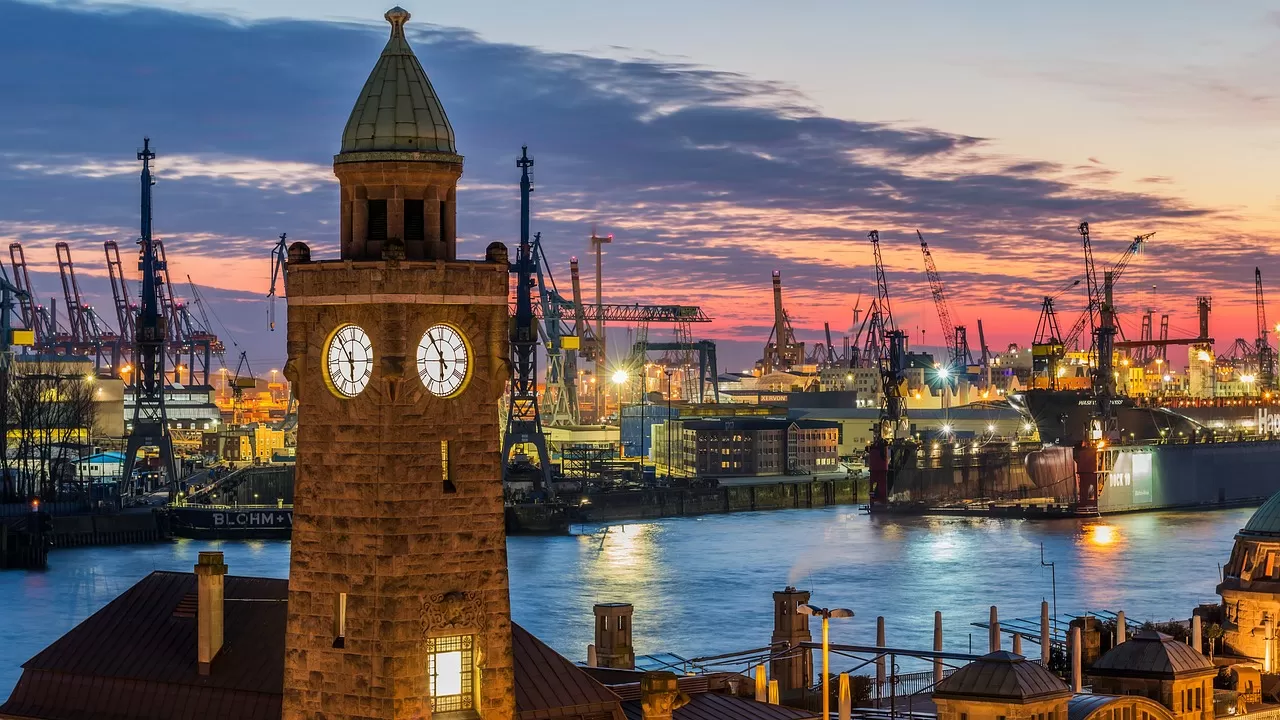
Simply put, entrepot trade is a trade model through transshipment in a third country. For example, Chinese goods are first exported to Singapore and then resold to the United States by Singapore. In this process, Singapore is the "entrepot port", and the goods may only stay briefly in the bonded area of Singapore or even not actually enter the country.
- Core Feature: Separation of goods flow and capital flow
- Key Advantage: Avoid anti-dumping duties and reduce logistics costs
- Common Form: Entrepot in bonded area, documentary entrepot, processing entrepot
The furniture export company of Ms. Li once faced an anti-dumping duty of 67% from the European Union. By transshipping the semi-finished products through Malaysia and completing the final assembly, the final tariff was reduced to 12%. Behind this are three practical driving forces:
- Breaking Through Tariff Barriers: Utilizing the free trade agreement between the transshipment country and the country of origin
- Isolating Risks: Supply chain backup under complex international situations
- Optimizing Costs: Integrating the advantages of raw materials and labor in different countries
In 2023, a cross-border e-commerce was fined 38 million yuan due to false certificates of origin, sounding an alarm for the industry. Legal entrepot trade must meet the following requirements:
- The transshipment country needs to complete substantial processing (the first four digits of the HS code change)
- The logistics track and the direction of capital flow can be traced
- The certificate of origin documents are true and complete
Blockchain technology is changing the traditional entrepot model. The new model of automatically verifying the origin and automatically clearing customs through smart contracts compresses the transshipment time from 14 days to 72 hours. But this also puts forward new requirements for enterprises:
- The ERP system needs to be connected to the customs data platform
- Cultivate compound international trade talents
- Establish a dynamic compliance risk assessment mechanism
When encountering the following signals, perhaps it's time to consider the entrepot plan:
- The tariff rate of the main market exceeds 25%
- Competitors suddenly reduce prices by more than 30%
- Receiving requests from overseas customers for designated transshipment ports
In this era of frequent changes in global trade rules, entrepot trade is both a shield and a sword. Have you ever encountered a situation where you lost orders due to tariff barriers? Welcome to share your coping experiences in the comment area.
- Further Reading
- Is Entrepot Trade Really Done Like This?
- Is Hong Kong's economy entirely reliant on entrepot trade?
- Do you really understand entrepot trade and indirect trade?
- Zhangjiagang Entrepot Trade Agency, do you really understand it?
- Is entrepot trade actually so magical?
- Wuzhou Entrepot Trade: The Neglected Golden Channel
If you require China procurement agency or import-export agency services, please get in touch with us through the following channels. Our professional consultants will reach out to you promptly for personalized support.
Friendly Reminder


Latest Comments (0) 0
Leave A Comment