

Is the customs clearance for imported seafood too complicated? 90% of people have fallen into these 5 traps
At 3 a.m. at the airport freight station, Ms. Li stared anxiously at the detained Norwegian salmon container. Due to one item being left blank on the documents, the 5 - ton cargo would incur an additional 30,000 yuan in storage fees. This is not an isolated case. In 2023, China's import volume of aquatic products exceeded 6 million tons, but about 37% of enterprises suffered losses due to customs clearance problems. Today, we will lift the veil on the agency business for customs clearance of imported aquatic products.
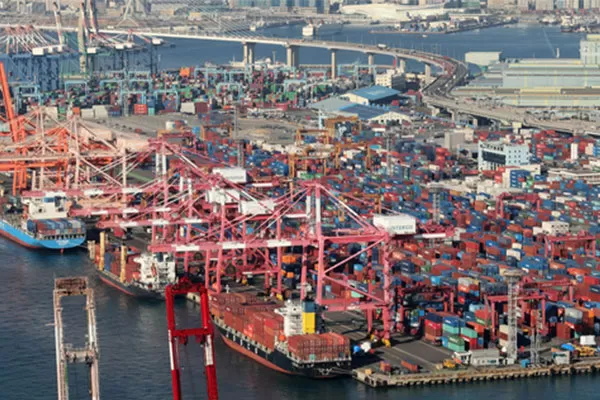
When Mr. Zhang first tried to import Canadian lobsters, he thought that "finding a customs broker = completing customs clearance". It was not until he was stuck by the quarantine requirements that he realized that the value of a professional agency is far more than just filling out forms:
- Risk firewall: Synchronize quarantine policies of various countries in real - time (for example, the EU's new regulations in 2024 added 12 microbiological tests)
- Cost controller: Reduce the tariff of a certain Japanese surimi from 12% to 6% through classification techniques
- Time - efficiency accelerator: Compress the average customs clearance time of cold - chain goods from 72 hours to 28 hours
For the same salmon, the customs clearance processes for - 18℃ frozen products and live transportation are completely different:
- Document preparation: Live seafood requires additional certificates of fishing date and transportation temperature control records
- Quarantine focus: Frozen products focus on heavy metal detection, while live ones are strictly inspected for parasites (such as Anisakis)
- Customs clearance time - efficiency: Live seafood must be inspected within 8 hours after arrival at the port
A batch of Argentine red shrimp was returned in full container due to a wrong "net content" printed on the packaging, exposing these hidden minefields:
- The outer packaging must mark the production date in both Chinese and English (in the order of "day/month/year")
- Farmed products must be accompanied by a certificate of seed source (wild - caught products require GPS coordinate records)
- Products containing shellfish need to be separately declared whether they are shell - on or not
- Japanese products should mark the specific fishing area (not in 10 restricted prefectures such as Fukushima)
When facing uneven service providers in the market, it is recommended to use the "3 + 2" rule for screening:
- Three basic items: Class AA qualification from the customs / Cold - chain warehousing cooperation network / At least 50 cases of similar products
- Two bonus items: Provide pre - classification services / Be able to handle fast - track customs clearance for countries with AEO mutual recognition
From Vietnamese basa fish to French oysters, every container hides the triple - door of tariffs, container detention fees, and cold - chain losses. Instead of paying tuition fees through trial and error, it is better to contact a professional team now for a customs clearance plan diagnosis. After all, when the neighboring shipper saves 23,000 yuan with the correct HS code, your hesitation may be the biggest cost.
- Further Reading
- Stop messing around! This is the right way to do customs declaration for imported food raw materials
- Customs clearance for imported food: Avoid these pitfalls!
- Exposed! The Price List of Imported Food Agents - How Much Profit Do Supermarkets Make?
- How Deep Are the Waters of Import Food Customs Clearance?
- The Black Box Operations in Imported Food Customs Clearance
- Food import customs clearance agency? There are quite a few tricks in this!
If you require China procurement agency or import-export agency services, please get in touch with us through the following channels. Our professional consultants will reach out to you promptly for personalized support.
Friendly Reminder





Latest Comments (0) 0
Leave A Comment