

Indonesia's Entrepot Trade: The Hidden Money-Making Secrets You Don't Know
When Mr. Zhang first heard about "Indonesia's entrepot trade", he thought it was just an ordinary logistics term. It wasn't until his foreign trade company successfully avoided high tariffs through the Indonesian transit point that he realized the huge business potential hidden behind it. In fact, with its unique geographical location and trade policies, Indonesia is emerging as a new hub for global entrepot trade. This article will take you on an in-depth exploration of this field full of opportunities and challenges.
As the largest economy in Southeast Asia, Indonesia has several irreplaceable advantages:
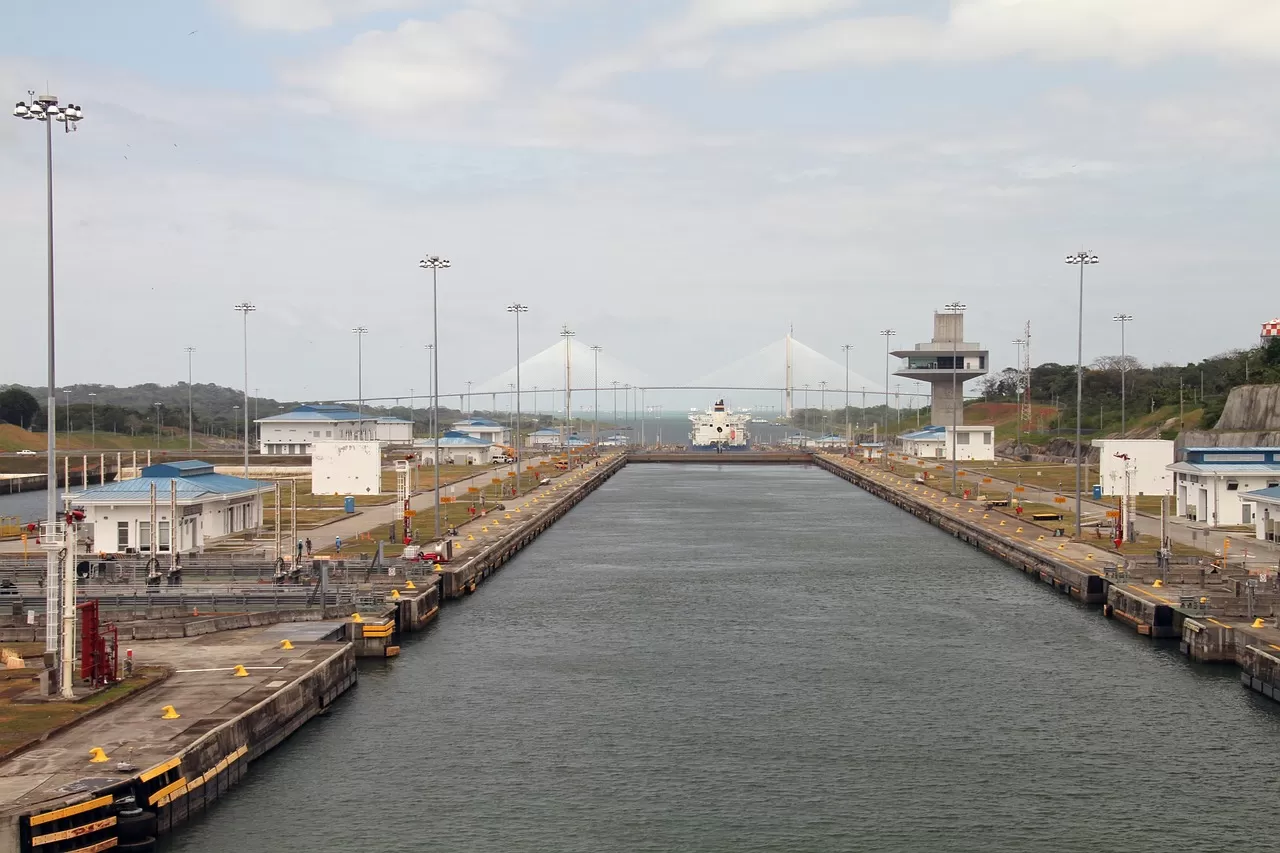
- Strategic Geographical Location: Spanning the Indian Ocean and the Pacific Ocean, connecting Asia and Australia
- Well-Developed Port Infrastructure: Ports such as Jakarta and Surabaya are of international standard
- Preferential Trade Policies: Offering tariff reductions and facilitating customs clearance for some commodities
Ms. Li's textile company is one of the beneficiaries: "Through the Indonesian transit, the cost of our products entering the European market has been reduced by 15%."
The first is simple transit: Goods are only briefly stopped at Indonesian ports before being transshipped, suitable for time-sensitive commodities.
The second is value-added processing: Utilizing Indonesia's relatively inexpensive labor force for simple processing before re-exporting, enabling the enjoyment of preferential treatment of origin.
The third is bonded warehousing: Storing goods in Indonesia's free trade zones and waiting for the best market opportunity to redistribute.
Despite the attractive prospects, Indonesia's entrepot trade also faces several key challenges:
- Complex Document Requirements: The Indonesian customs conducts extremely strict audits on entrepot documents
- Hidden Costs: Storage fees, agency fees, etc. may exceed expectations
- Risk of Policy Changes: Indonesia's trade regulations are adjusted relatively frequently
The trade consultant of Zhongshitong reminds: "It is recommended that enterprises reserve a budget flexibility space of 10 - 15%."
To successfully conduct Indonesia's entrepot trade requires systematic planning:
First, choosing a reliable local partner is crucial. Second, it is essential to conduct a complete compliance review in advance. Finally, establishing a flexible supply chain solution to deal with unexpected situations.
As a senior practitioner said: "Indonesia's entrepot trade is not a shortcut, but a strategic choice that requires professional operation."
With the in-depth implementation of the Regional Comprehensive Economic Partnership Agreement (RCEP), Indonesia's entrepot trade will embrace broader development space. We recommend that interested enterprises:
- Participate in professional exhibitions to learn about the latest developments
- Consult professional institutions such as Zhongshitong to obtain customized solutions
- Start with small-scale pilot projects to accumulate experience
Have you ever considered expanding your international market through Indonesia? Welcome to share your views or questions in the comment section.
- Further Reading
- How many wealth secrets are hidden in the agency export business in Hangzhou?
- Do you dare to look at the secrets of import agency?
- Import and Export Agency for Zhengzhou Sea - Rail Intermodal Transport, Industry Secrets You Don't Know
- The commodity entrepot trade, the mysterious "transit station" hidden behind trade?
- The Secrets of Painting Import Agency and Customs Brokerage Companies You Don't Know!
- Shocking! The 2022 Tax Refund Period Holds Such Secrets
If you require China procurement agency or import-export agency services, please get in touch with us through the following channels. Our professional consultants will reach out to you promptly for personalized support.
Friendly Reminder





Latest Comments (0) 0
Leave A Comment