

How much do you know about entrepôt trade in Indonesia?
In the wave of the globalized economy, entrepôt trade, as a unique form of trade, is playing an increasingly important role. Today, let’s delve into the world of Indonesia’s entrepôt trade and uncover its mysteries and opportunities.
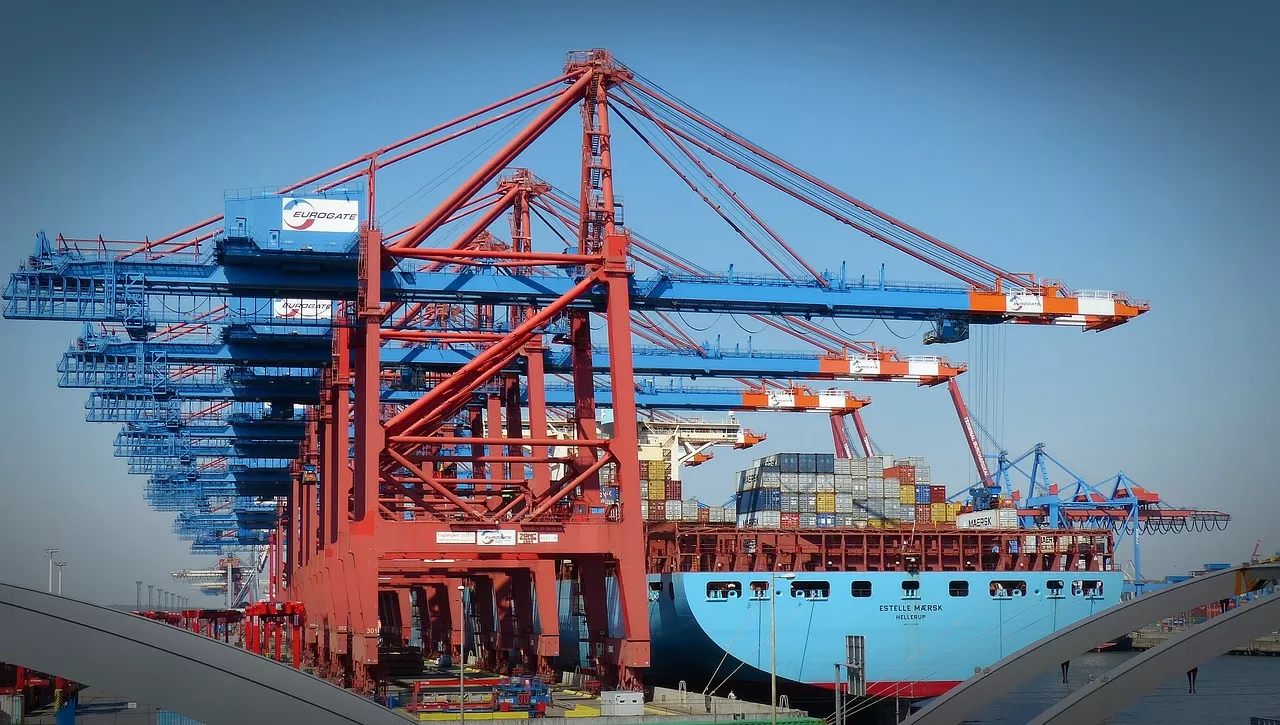
Indonesia, a major Southeast Asian country, boasts numerous advantages conducive to entrepôt trade.
- Strategic Geographical Location: Situated between the Indian and Pacific Oceans, Indonesia is a vital hub for maritime transportation. Its numerous ports facilitate the smooth flow of goods, providing a solid logistics foundation for entrepôt trade. For example, major ports in Java handle large volumes of transshipment cargo annually, connecting trade routes across Asia, Europe, Australia, and beyond.
- Abundant Resources: Indonesia is rich in natural resources such as minerals and timber. These resources not only meet domestic demand but are also exported to other countries through entrepôt trade. Additionally, many foreign companies leverage Indonesia’s entrepôt advantages to distribute resource-based products worldwide.
- Vast Market Potential: With a large population and growing economic development, Indonesia’s domestic consumption capacity is steadily rising. As a key member of ASEAN, it maintains close trade ties with neighboring countries, giving its entrepôt trade a broad market reach and creating more business opportunities for traders.
For businesses looking to engage in entrepôt trade in Indonesia, understanding its operational procedures and key considerations is crucial.
First, during the import phase, accurate declaration of goods—including type, quantity, and value—is essential. Zhong Shitong has extensive experience in this area, ensuring smooth customs clearance for goods entering Indonesian ports. Next, in warehousing, selecting suitable storage facilities is critical to ensure safe storage and efficient distribution. While Indonesia has many professional warehousing service providers, careful evaluation is needed to meet the storage requirements of different goods.
During the entrepôt trade process, compliance with local trade regulations and tax policies is also vital. Indonesia’s trade laws are continuously evolving, so businesses must stay updated to avoid penalties. Additionally, tax policies impact trade costs, and strategic tax planning can enhance profit margins.
However, Indonesia’s entrepôt trade is not without challenges.
- Logistics Efficiency: Despite having many ports, some lack adequate infrastructure, leading to delays in logistics and distribution. Businesses can address this by partnering with professional logistics providers to optimize routes and improve efficiency.
- Trade Barriers: Amid a complex international trade environment, Indonesia imposes trade barriers such as tariff adjustments and import quotas. Traders must monitor policy changes closely and adapt by adjusting product portfolios or exploring new markets.
- Intense Market Competition: As more businesses enter Indonesia’s entrepôt trade market, competition grows fiercer. Companies must enhance service quality and product competitiveness—for example, by offering better packaging or faster delivery times—to stand out.
- Further Reading
- Malaysian Entrepôt Trade, Opening a New Door to Trade?
- Is There a Shocking Scam in Export Trade? You Might Have Been Engaged in Entrepôt Trade!
- Langfang Entrepôt Trade: An Undervalued Trillion-level Opportunity
- Provisions for Entrepôt Trade Receipts and Payments, Do You Really Understand?
- Jiangxi Shelf Entrepôt Trade: The Hidden Treasure of Trade
- Wood Bed Entrepôt Trade: The Profitable Game You Don't Know
If you require China procurement agency or import-export agency services, please get in touch with us through the following channels. Our professional consultants will reach out to you promptly for personalized support.
Friendly Reminder


Latest Comments (0) 0
Leave A Comment