

How deep is the water in coking coal imports?
When the furnaces of steel mills operate day and night, and the demand for new energy vehicles and wind power equipment surges, few people notice the "black gold" - coking coal - that supports these industries. As the "grain" of the metallurgical industry, China imports over 70 million tons of coking coal annually. Behind this multibillion-dollar track, coking coal import agents are quietly becoming the key link connecting global resources and local demands.
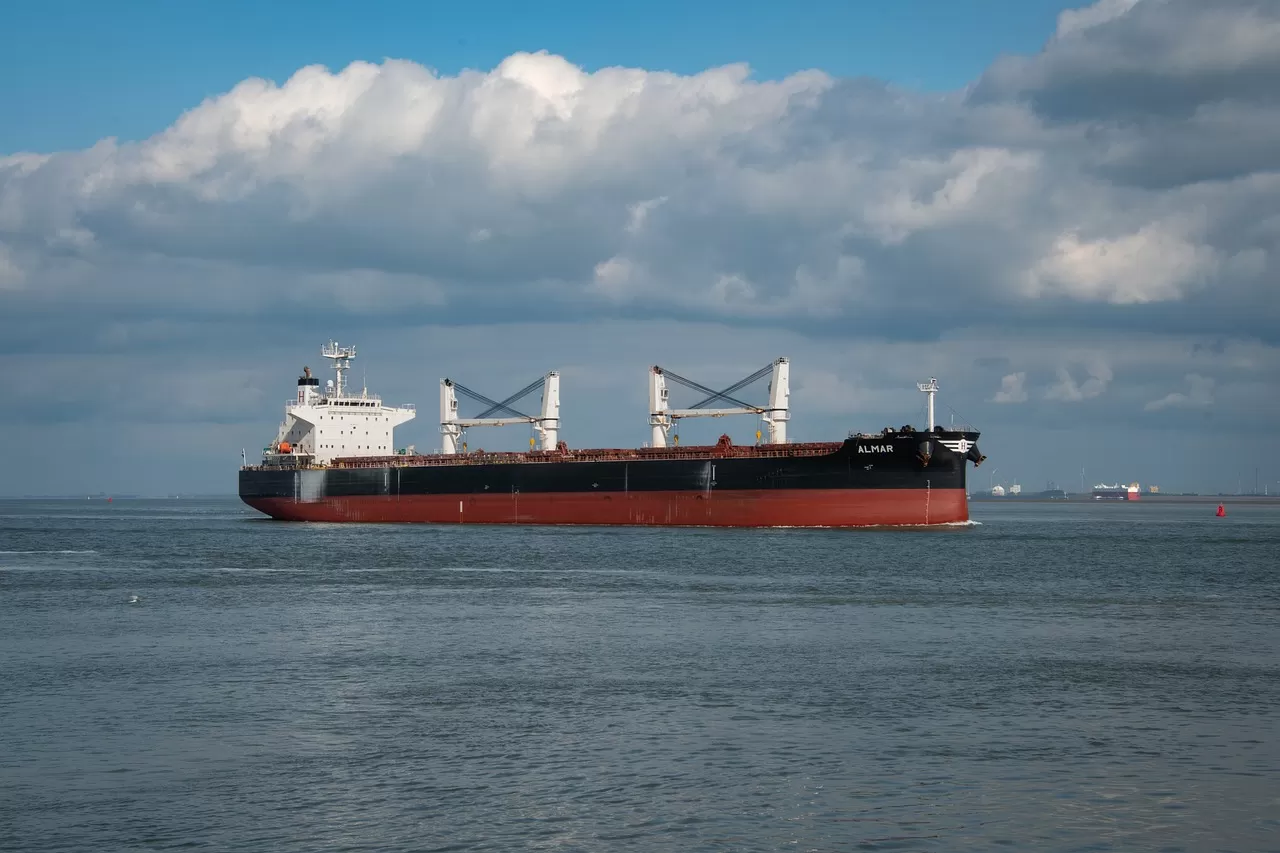
Mr. Zhang is the purchasing director of a steel mill in Shanxi. Last year, when directly dealing with overseas miners, he encountered a series of problems such as cargo ship delays and quality discrepancies. "A ship of coking coal is worth hundreds of millions, but the quality inspection standards, letter of credit terms, and marine insurance of overseas mines are all professional traps," he admitted. This is precisely the value of professional agents:
- Breaking resource barriers: Scarce resources such as high-quality Australian prime coking coal and Russian gas coal are mostly controlled by international bulk traders
- Avoiding compliance risks: From certificates of origin, tariff policies to environmental protection indicators, 12 types of cross-border documents are involved
- Cost optimization potential: Hedging in shipping futures can reduce the risk of transportation cost fluctuations by 20%
Ms. Li, a senior consultant at Zhongshitong, revealed that truly high-quality agents should possess:
- Global resource map: Keep real-time track of the production capacity allocation of major mines such as Tavan Tolgoi in Mongolia and Teck in Canada
- Supply chain finance tools: Use solutions such as back-to-back letters of credit and warehouse receipt pledges to ease financial pressure
- Handling quality disputes: Third-party inspection agencies oversee the loading process throughout, and key indicators such as sulfur content and caking index are double-confirmed
With the launch of the EU Carbon Border Adjustment Mechanism (CBAM), coking coal procurement is undergoing subtle changes:
- The premium for low-carbon coking coal reaches $8 - $12 per ton, and Mongolian coal is favored due to its transportation emission advantages
- The rise of digital procurement platforms, and some agents have achieved blockchain traceability
- Emerging demanders such as India and Vietnam intensify the scramble for resources
Whether it is the transformation of traders or the optimization of direct procurement by steel mills, the value of agents needs to be re-evaluated. It is recommended to evaluate partners from three dimensions: historical customs clearance data (especially at major ports such as Rizhao Port and Ganqimaodu), crisis handling cases (such as alternative plans during the Australian coal ban in 2021), and the value-added service matrix (futures hedging, blending technology consulting, etc.).
When the "dual-carbon" goal reshapes the energy landscape, coking coal imports are no longer just simple buying and selling transactions. On this track full of professional thresholds, are you ready to find your "black gold" guide? Welcome to leave a message to share your industry observations.
- Further Reading
- The "Unspoken Rules" of Amazon Import Customs Clearance Agents
- Brands of imported red wine for agency in Jiangxi. You'll miss a great deal if you don't read this!
- Does the Profiteering of Imported Red Wine Come to an End? A Changsha Agent Reveals the Truth
- Handling Customs Import and Export Procedures? It's Actually Not That Hard!
- How deep is the water in connector imports?
- How deep are the secrets of imported cosmetics customs clearance?
If you require China procurement agency or import-export agency services, please get in touch with us through the following channels. Our professional consultants will reach out to you promptly for personalized support.
Friendly Reminder


Latest Comments (0) 0
Leave A Comment