

How Deep Are the Pitfalls of Imported Food Customs Clearance?
When Mr. Zhang first attempted to import a batch of handmade chocolates from overseas, he thought he only needed to pay for the goods and shipping. It wasn’t until the goods were held at customs for two weeks that he realized—imported food customs clearance is actually a "game of challenges" requiring professional navigation. Today, we reveal the critical role of imported food customs clearance agencies in ensuring international delicacies reach store shelves smoothly.
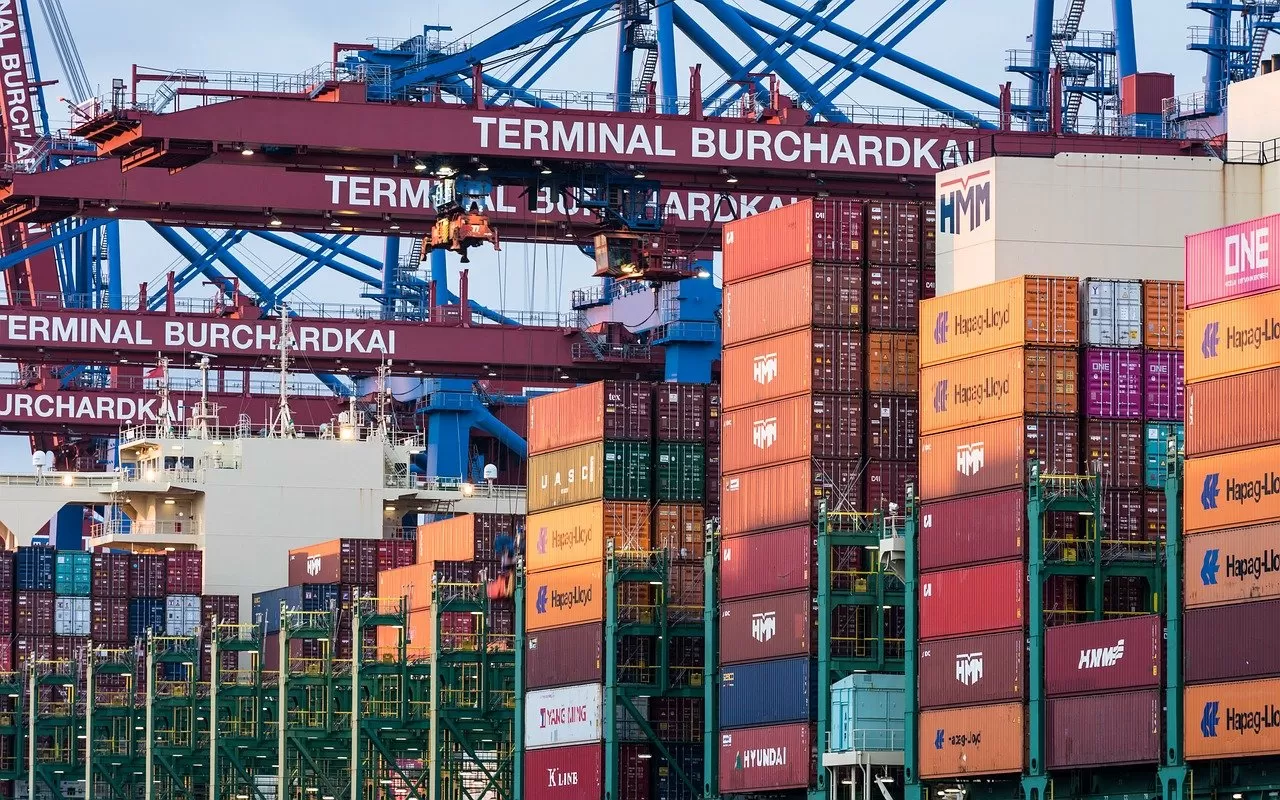
Industry data shows that in 2023, China's imported food market exceeded 180 billion yuan, but 3 out of every 10 shipments faced delays due to customs clearance issues. Ms. Li’s Australian infant formula was once returned due to non-compliant Chinese labels, resulting in a loss of nearly 200,000 yuan. Another French wine importer had an entire container destroyed for failing to pre-register ingredient lists. These real cases highlight three major pain points that ordinary businesses struggle to navigate:
- Rapid policy updates: Quarantine standards, tariff adjustments, etc., change over 50 times annually
- High document complexity: Must meet requirements from 8 departments, including customs, quality inspection, and taxation
- Significant time risks: Perishable goods see a 15% increase in loss rates for each day of delay
Customs clearance agencies like Zhongshitong act as "special forces" in the food import industry. They typically offer a three-tier service structure:
- Pre-clearance review: Assess product eligibility using global food databases
- Process control: One-stop document preparation, from certificates of origin to Chinese labels
- Emergency handling: On-site coordination and rapid response during customs inspections
When selecting from hundreds of agencies in the market, consider these key factors:
- Possession of specialized food import qualifications
- Number of successful cases in target categories (e.g., dairy/health products)
- Scale of on-site service teams at ports
- Insurance compensation mechanisms for emergencies
- Value-added services like compliance training
With technologies like blockchain traceability and AI document review, customs clearance services are undergoing intelligent upgrades. Leading companies like Zhongshitong have already achieved:
- Predicting inspection probabilities for specific foods using big data
- Remote customs inspections via VR technology
- Automated multilingual compliance label systems
Next time you pick up a bag of Thai durian chips at the supermarket, remember the team of customs clearance experts working behind the scenes. If you’re planning to bring overseas delicacies to the domestic market, ask yourself: Will you continue to navigate alone, or let professionals clear the path for you? Share your import stories or questions in the comments—let’s solve this delicious economic puzzle together.
- Further Reading
- Is the Profiteering Era of Imported Food Agency Coming to an End?
- Does Tianjin's Agricultural Machinery Import Hide a Hundred Billion Business Opportunity?
- Revealing the Secrets of Agency Import Fees, Don't Waste Your Money Anymore!
- Is coffee import customs clearance difficult? Zhongshitong gives you the "green light" in Tianjin
- Is the customs clearance of imported foods even more thrilling than a spy war?
- Is it really necessary to use an agency for import-export license processing?
If you require China procurement agency or import-export agency services, please get in touch with us through the following channels. Our professional consultants will reach out to you promptly for personalized support.
Friendly Reminder






Latest Comments (0) 0
Leave A Comment