

Return of Exported Goods? Here's How to Handle It Right!
In the complex process of international trade, exported goods may sometimes face the situation of being returned for various reasons. This really gives many foreign trade people a headache! Don't worry. Today we'll have a good chat about how to handle the return of exported goods, so that you can have a clear idea and handle it calmly when encountering such problems.
First of all, you need to figure out why the goods are to be returned. The common reasons include quality problems, rejection by customers, changes in trade contracts, etc. For example, Mr. Zhang's company exported a batch of electronic products. When they reached the hands of foreign customers, it was found that some products had performance failures, and the customers naturally requested a return. Or on Ms. Li's side, due to the temporary adjustment of trade terms, the originally exported goods did not meet the new requirements, and she could only choose to return the goods. Only by clarifying the root cause of the return can better subsequent handling measures be taken.
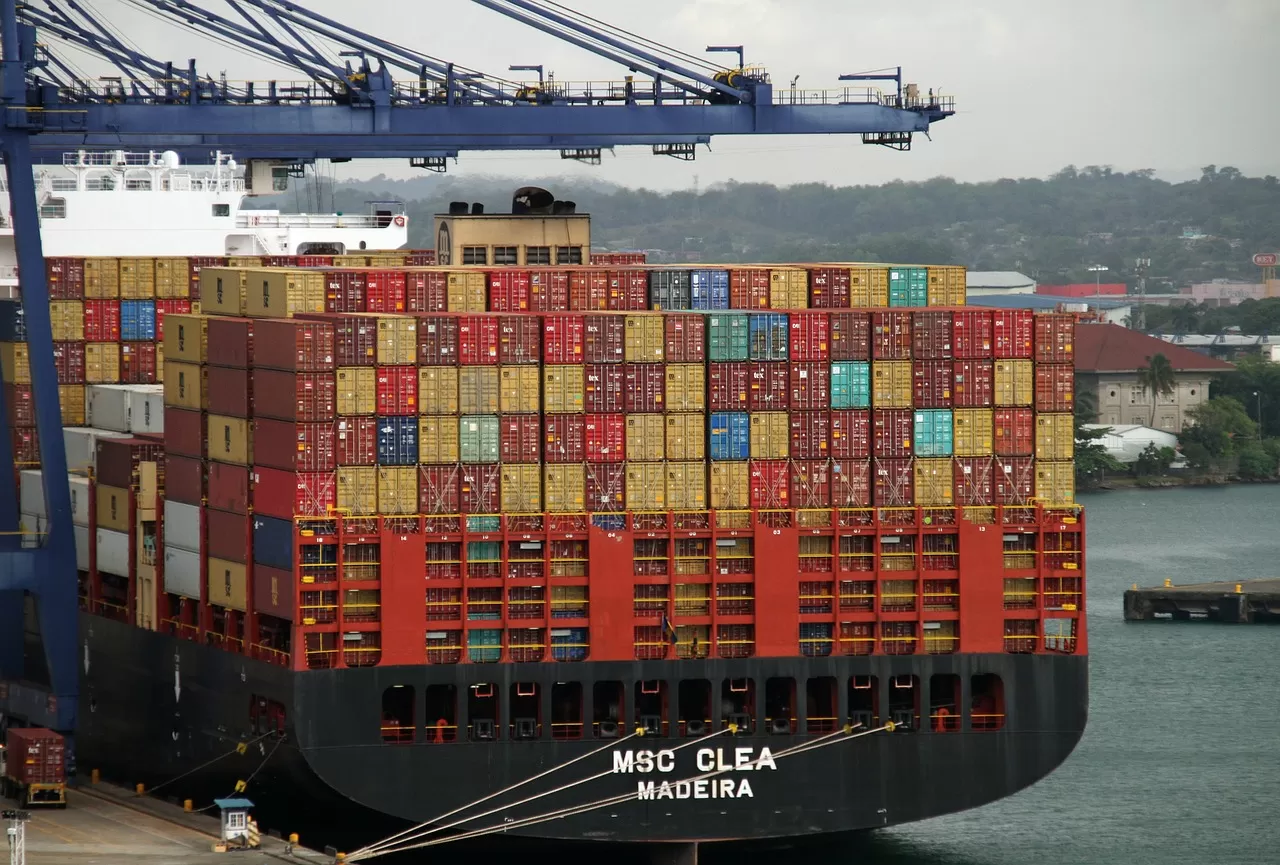
When it is determined to return the goods, a series of document preparation work cannot be sloppy. Generally speaking, relevant freight documents such as the original export declaration form, packing list, invoice, and bill of lading need to be prepared. These documents are like the "identity cards" of the goods, which can clearly indicate the source and basic situation of the goods. Additionally, if the goods are returned due to quality problems, proof documents such as quality inspection reports may also be required. Just like the electronic products of Mr. Zhang mentioned just now, with the quality inspection report, the relevant departments such as the customs can clearly understand the real reason for the return. Moreover, for different return reasons and types of goods, the required documents may vary slightly, so be sure to check carefully.
Next, it is necessary to consider choosing an appropriate way of return. Currently, there are mainly two common ways of return.
- One is to return the goods in their original state, that is, to return them intact as they were when exported. This way is relatively simple and straightforward, and is applicable to situations where the goods have not undergone major changes and the reason for return is relatively simple. For example, if the goods only need to be returned because the customer cancels the order temporarily and there are no other complex factors interfering.
- Two is to return the goods for repair. If the goods have some minor quality problems or failures and need to be returned to the domestic country for repair and then re-exported, this way can be chosen. However, it should be noted that for returning the goods for repair, relevant repair procedures need to be handled, and the repair must be completed and the goods re-exported within the specified time.
Regardless of which way of return is chosen, handling customs procedures is a crucial step. The situation of the returned goods should be truthfully declared to the customs, and the relevant documents prepared previously should be submitted. The customs will review based on this information, and only after the review is passed will the goods be allowed to enter the country for return. In this process, it is necessary to ensure the accuracy of the declared information. Otherwise, it is very likely to cause the return procedures to be blocked, delaying time and increasing costs. For example, if the declared quantity of the goods is inconsistent with the actual quantity of the returned goods, the customs will raise questions and require re-verification, which will bring unnecessary troubles to the entire return process.
When the goods are successfully returned and enter the country, there are still some subsequent matters to be handled. If the goods are returned in their original state, the storage, disposal and other matters of the goods should be arranged according to the specific situation. If the goods are returned for repair, then it is necessary to hurry up and carry out the repair, and ensure that the repaired goods can meet the standards for re-export. In short, don't think that everything is fine just because the goods are returned. The subsequent work still needs to be implemented in place.
The return of exported goods is a bit troublesome, but as long as we follow the correct steps, do all the preparatory work well, and handle the relevant procedures properly, it can still be solved smoothly. I hope the content talked about today can be helpful to you. If you have any questions or experiences during the actual operation process, you are also welcome to leave a message and share in the comment area. Let's make the foreign trade business run more smoothly together!
- Further Reading
- Suqian Container Transportation Import and Export Agency: Things You Don't Know!
- Is There a Hidden Mystery in Xi'an Import and Export Agency Fees?
- Guangzhou Import and Export Agency Companies: A Blessing or a Curse?
- Surprising! What secrets are hidden in the high-quality import and export agency market
- Secrets of Setting up an Export Company You Don't Know!
- Is handling export tax rebates for agency exports really this simple?
If you require China procurement agency or import-export agency services, please get in touch with us through the following channels. Our professional consultants will reach out to you promptly for personalized support.
Friendly Reminder


Latest Comments (0) 0
Leave A Comment