

Goods Transshipment, the Mysterious "Transfer Station" in International Trade?
On the vast stage of international trade, the unique trade form of goods transshipment is quietly playing an important role. Imagine that a batch of goods is not directly transported from the place of production to the destination, but is transshipped somewhere in the middle. What exactly are the tricks behind this? Today, let's uncover the mystery of goods transshipment together.
Goods transshipment, simply put, is a trade that is not directly conducted between the country of production of the goods and the country of consumption of the goods, but is transacted through a third country. For example, a factory in China has produced a batch of electronic products that were originally supposed to be sold to the United States. However, for various reasons, this batch of goods was first shipped to Singapore and then transshipped from Singapore to the United States. Here, Singapore plays the role of the transshipment place.
Enterprises often have various considerations when choosing goods transshipment. On the one hand, it is due to trade barriers. Some countries will set high tariffs or strict quota restrictions on specific commodities in order to protect their domestic industries. For example, a certain country imposes extremely high tariffs on textiles from specific origins. To reduce costs, enterprises may choose to transship through a third country with more lenient tariff policies, cleverly bypassing trade barriers.
On the other hand, geographical location and logistics advantages also play a crucial role. Like Hong Kong, with its superior geographical location, complete port facilities and efficient logistics services, it has become an ideal place for many goods to be transshipped. Goods can be more conveniently dispatched to various parts of the world when transshipped here, saving transportation time and costs.
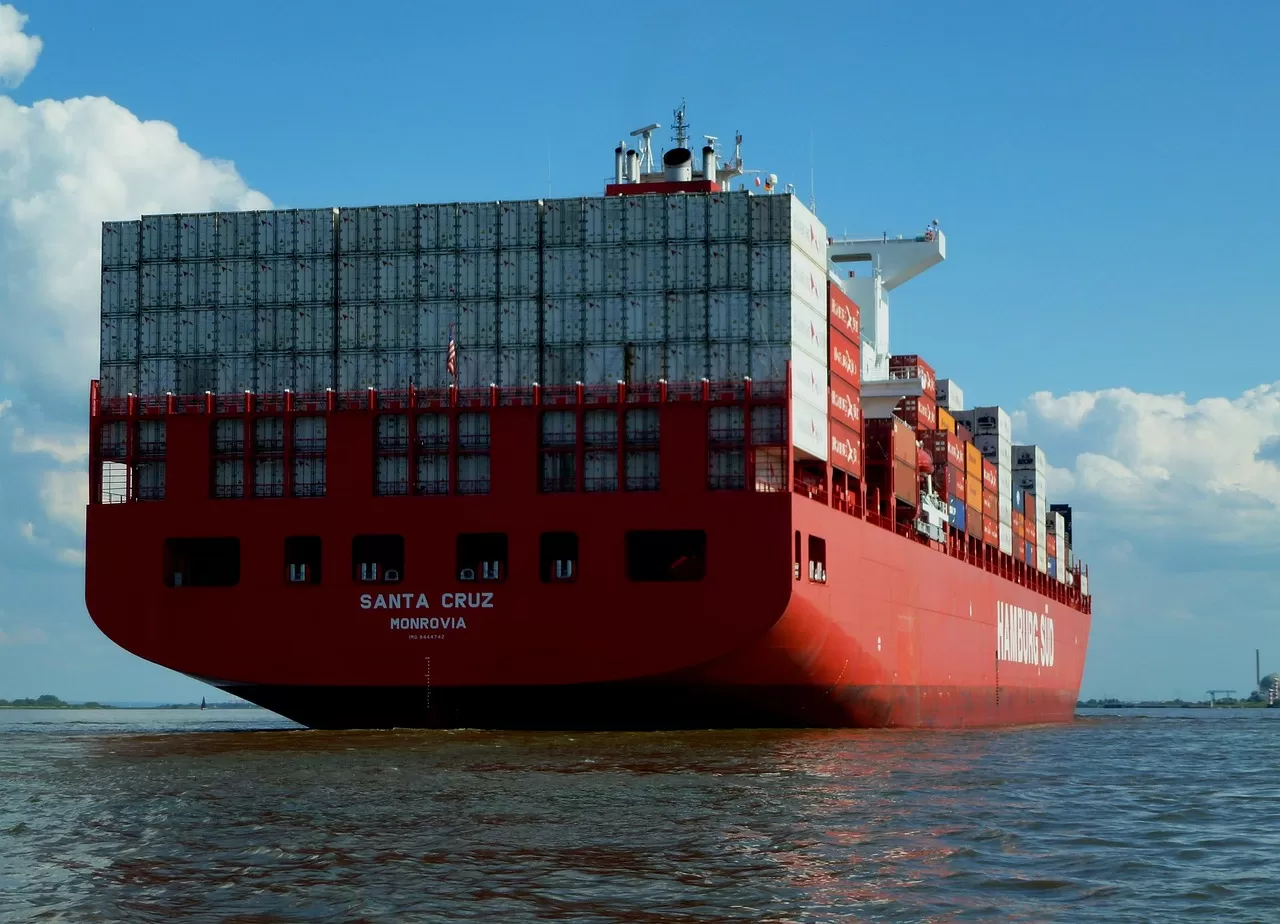
The process of goods transshipment is relatively complex. First, the exporter has to sign a transshipment contract with the transshipper. The transshipper is responsible for arranging the loading, unloading, warehousing and other matters of the goods at the transshipment place. After the goods arrive at the transshipment place, they will be stored in the designated warehouse. The transshipper will carry out appropriate packaging, labeling and other treatments on the goods according to the requirements of the importer to make them meet the requirements of the importing country. Then, arrangements will be made to transport the goods to the final destination. In this process, document processing is also crucial. A series of documents including bills of lading, invoices, packing lists, etc., should be prepared and processed according to the rules of transshipment trade to ensure the smooth customs clearance of the goods.
Goods transshipment is not without difficulties and there are certain risks. Among them, policy risks cannot be ignored. The trade policies of the transshipment country may change, such as suddenly increasing tariffs, tightening import and export controls, etc., which will bring uncertainties to transshipment trade. In addition, logistics risks are also relatively common. During the transshipment process, problems such as transportation delays and goods damage may occur, affecting the progress of trade.
To deal with these risks, enterprises need to closely monitor the policy dynamics of the transshipment country and make contingency plans in advance. In terms of logistics, reliable logistics partners should be chosen and sufficient cargo insurance should be purchased to reduce losses.
As an important way in international trade, goods transshipment provides enterprises with more trade choices and development space. With the advancement of global economic integration, the goods transshipment trade is expected to continue to play its unique advantages within a reasonable and compliant framework. When participating in the goods transshipment trade, enterprises should fully understand the rules and risks involved so as to move forward steadily in the wave of international trade. I hope everyone has a deeper understanding of goods transshipment. If you have relevant insights, you are welcome to discuss together.
- Further Reading
- Are the exported goods being returned? You might have stepped on these landmines!
- Can Returned Goods Actually Create Secondary Profits?
- Transshipment Trade Freight Forwarding: The Mysterious Bridge of International Trade?
- Payment for duty-free goods imported by proxy? Do you know the intricacies behind this?
- Not taking this step might result in your goods being "lost forever"?
- Foreign trade goods? They are wonderful bonds connecting the world!
If you require China procurement agency or import-export agency services, please get in touch with us through the following channels. Our professional consultants will reach out to you promptly for personalized support.
Friendly Reminder






Latest Comments (0) 0
Leave A Comment