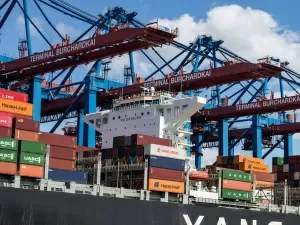
The entrepot trade business, simply put, refers to the buying and selling of imported and exported goods in international trade. It is not carried out directly between the producing country and the consuming country, but through transshipment in a third country. This third country is the entrepot trade country. After the goods are produced, they are first shipped to the entrepot trade country and then from the entrepot trade country to the final consuming country.
For example, Enterprise A in China has produced a batch of goods and wants to sell them to Enterprise B in the United States. However, for some reasons, the goods are first exported to Singapore (the entrepot trade country), and after simple processing or no processing in Singapore, they are re-exported to the United States.
The characteristics of the entrepot trade business lie in that it can utilize the special advantages of the entrepot country, such as superior geographical location, liberal trade policies, etc. When operating in practice, attention should be paid to trade risks, including policy changes in the entrepot country, risks of goods storage and transportation in the entrepot country, etc. Also, the entrepot trade process should be clearly understood to ensure the smooth connection of each link.





Professional consultant answers
Michelle ChenYears of service:3Customer Rating:5.0
Business coordination consultantConsult
The entrepot trade business, simply put, refers to the buying and selling of imported and exported goods in international trade. It is not carried out directly between the producing country and the consuming country, but through transshipment in a third country. This third country is the entrepot trade country. After the goods are produced, they are first shipped to the entrepot trade country and then from the entrepot trade country to the final consuming country.
For example, Enterprise A in China has produced a batch of goods and wants to sell them to Enterprise B in the United States. However, for some reasons, the goods are first exported to Singapore (the entrepot trade country), and after simple processing or no processing in Singapore, they are re-exported to the United States.
The characteristics of the entrepot trade business lie in that it can utilize the special advantages of the entrepot country, such as superior geographical location, liberal trade policies, etc. When operating in practice, attention should be paid to trade risks, including policy changes in the entrepot country, risks of goods storage and transportation in the entrepot country, etc. Also, the entrepot trade process should be clearly understood to ensure the smooth connection of each link.
Joseph ZhouYears of service:10Customer Rating:5.0
Senior foreign trade managerConsult
The entrepot trade business is an indirect trade method. The products of the producing country are sold to the consuming country through the hands of merchants in the third country. For example, if some countries have restrictions on specific products, they can bypass the restrictions through entrepot trade. But attention should be paid to the customs regulations of the third country to avoid the goods being detained.
David LiYears of service:6Customer Rating:5.0
Senior customs declaration consultantConsult
The entrepot trade business involves three parties: the producing country, the entrepot country, and the consuming country. The transportation route of the goods is rather tortuous, which can bring benefits such as logistics and warehousing to the entrepot country. When operating, attention should be paid to document processing to ensure that the documents match, otherwise it will affect the delivery of the goods.
Andrew HuangYears of service:7Customer Rating:5.0
Supply chain optimization expertConsult
Entrepot trade can help enterprises avoid trade barriers. For example, if the destination country imposes high tariffs on the products of the producing country, transiting through an entrepot country with low tariffs can reduce costs. However, the entrepot cost should be considered to avoid losing more than gaining.
Amanda YangYears of service:3Customer Rating:5.0
Cost control consultantConsult
In the entrepot trade business, the entrepot trader is very crucial. They should be familiar with the trade policies of various countries and be able to respond flexibly to various situations. When operating, the logistics arrangements should be reasonable, otherwise the delivery time will be delayed.
Sarah ZhangYears of service:8Customer Rating:5.0
Document expertConsult
The entrepot trade business is common internationally. Some enterprises utilize entrepot trade to integrate resources and optimize the supply chain. But before carrying out the business, the entrepot market environment should be fully investigated.
Jennifer WangYears of service:4Customer Rating:5.0
Market development consultantConsult
The entrepot trade business makes trade more flexible. Enterprises can expand their markets with the help of entrepot trade. However, attention should be paid to exchange rate fluctuations to prevent losses caused by exchange rate changes.
James LiuYears of service:10Customer Rating:5.0
Foreign trade tax refund consultantConsult
The entrepot trade business involves multiple links such as transportation and warehousing. Good partners should be selected to ensure the safety of the goods and the efficiency of circulation, while paying attention to compliant operations.
Elizabeth LiYears of service:3Customer Rating:5.0
Compliance and risk managerConsult
The entrepot trade business can expand the trade opportunities of enterprises. But in the operation, the costs should be accurately calculated, including entrepot fees, taxes, etc., to ensure the profit margin.
William YangYears of service:5Customer Rating:5.0
International logistics consultantConsult
The entrepot trade business can solve the trade obstacles between the producing country and the consuming country. When operating, it should be ensured that the quality of the goods is not affected by the entrepot links, and attention should be paid to trade reputation.