

Re-remittance for entrepot trade, the "reef" hidden in international trade?
On the stage of international trade, entrepot trade occupies a place with its unique operation mode. However, the re-remittance issue is like a reef hidden in the dark, and a slight inattention may bring losses to enterprises. Today, let's discuss the relevant key points of re-remittance for entrepot trade together.
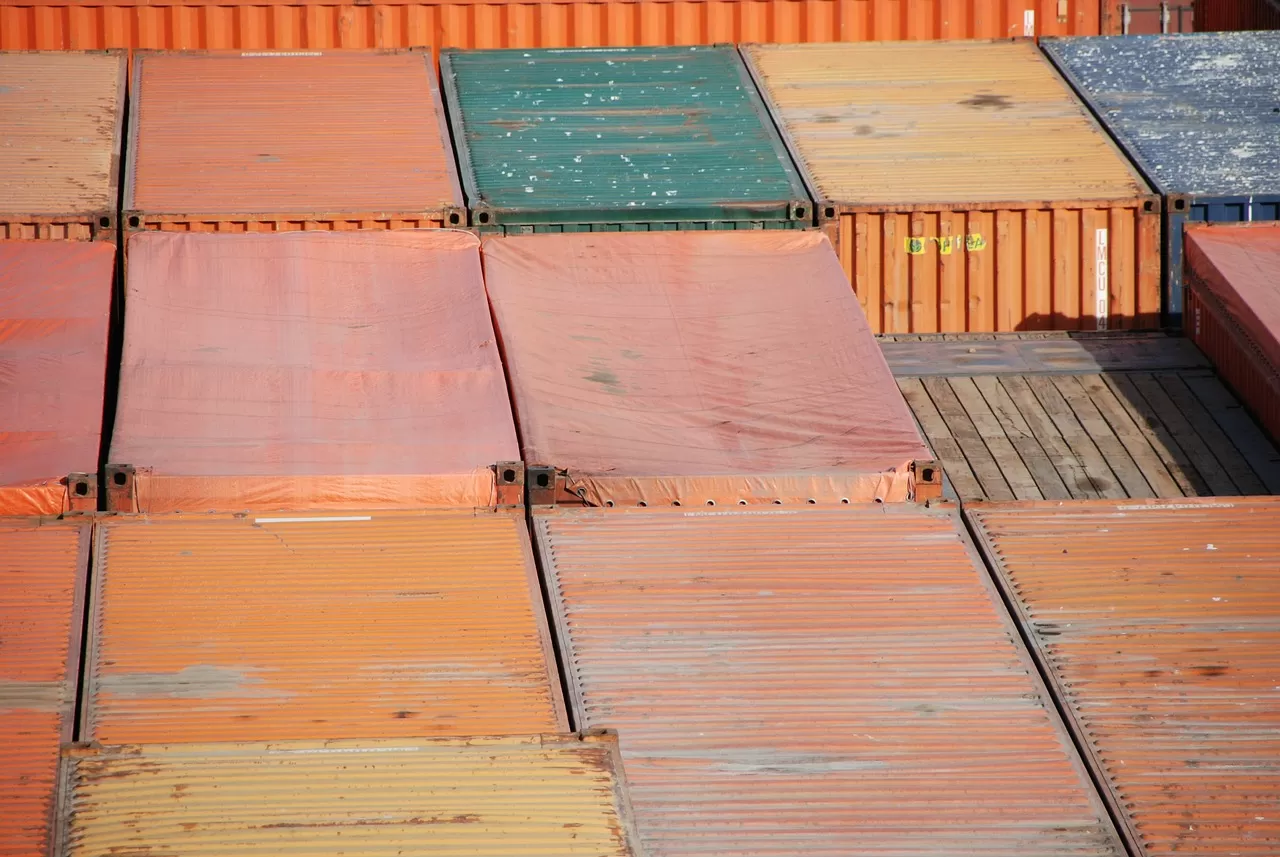
Entrepot trade, simply put, refers to the buying and selling of import and export goods in international trade that is not directly carried out between the producing country and the consuming country, but through a third country. In this process, due to various reasons, there may be a situation of re-remittance. Re-remittance refers to the act of the remitter requesting to revoke the remittance. For entrepot trade, re-remittance involves the interests of multiple parties and complex capital flows, and may be due to factors such as quality issues of goods, fluctuations in market prices, and changes in contracts, which lead to the fact that the transaction cannot be completed as originally planned, and then the paid amount needs to be returned.
- Quality Disputes of Goods: When the goods reach the final destination and are found to be inconsistent with the contract agreement, the importer may request re-remittance to make up for its losses.
- Fluctuations in Market Prices: During the process of entrepot trade, market prices change rapidly. If the price of goods drops significantly, the importer may consider that continuing the transaction is not cost-effective and thus put forward a request for re-remittance.
- Change of Contract Terms: During the execution of the contract by both parties to the transaction, due to some unforeseeable factors, it is necessary to change the contract terms, which may also lead to the occurrence of re-remittance.
From the perspective of capital flow, entrepot trade involves at least three parties, and the capital flow is complex. When re-remitting, it is necessary to clarify the rights and obligations of all parties to ensure that the funds can be returned accurately and in a timely manner. In terms of compliance, the foreign exchange regulatory department has strict regulatory requirements for re-remittance for entrepot trade. Enterprises need to provide complete and true transaction information, including contracts, invoices, transport documents, etc., to prove the rationality of re-remittance. Once the information is incomplete or does not comply with the regulations, the re-remittance application may be rejected. In addition, changes in the international political and economic situation will also have an impact on re-remittance for entrepot trade. For example, the rise of trade protectionism may lead to an increase in trade barriers, which in turn affects the smooth progress of re-remittance.
Before carrying out entrepot trade, enterprises should conduct sufficient market research and risk assessment, formulate detailed contract terms, and clarify the responsibilities and obligations of all parties in case of re-remittance and other situations. At the same time, they should strengthen communication and negotiation with trading partners to timely solve possible problems. During the re-remittance process, they should strictly follow the foreign exchange management regulations, prepare relevant materials, and actively cooperate with the review of the regulatory authorities. Zhongshitong, as a professional trade service institution, can provide professional guidance and support to help enterprises successfully complete the re-remittance business for entrepot trade.
Re-remittance for entrepot trade is a complex and crucial business link, involving many aspects of problems. Enterprises need to deeply understand the reasons for re-remittance, the challenges faced, and take effective countermeasures to reduce risks and safeguard their own interests. I hope that through the discussion in this article, everyone can have a clearer understanding of re-remittance for entrepot trade and move forward steadily in the tide of international trade. We also welcome everyone to communicate and discuss the relevant issues of re-remittance for entrepot trade with us.
- Further Reading
- Do you really understand the exchange settlement bill of lading for the consignor in entrepot trade?
- Agent Exporter? The Unsung Heroes of International Trade You Don't Know!
- Why is Hong Kong's entrepot trade so outstanding?
- Don't underestimate freight export agency companies anymore. They are the real heroes behind international trade
- Is entrepot trade really that magical?
- Shocking! These secrets are hidden in the entrepot trade of electric irons in Guangzhou
If you require China procurement agency or import-export agency services, please get in touch with us through the following channels. Our professional consultants will reach out to you promptly for personalized support.
Friendly Reminder






Latest Comments (0) 0
Leave A Comment