

Entrepôt Trade: Opportunity or Challenge?
In the current wave of globalization, the forms of trade are becoming increasingly diverse. Among them, entrepôt trade is like a bright pearl, shining with a unique luster. Today, let's step into the world of entrepôt trade and uncover its mysterious veil.
Entrepôt trade, simply put, refers to the business of importing and exporting goods in international trade. It is not carried out directly between the producing country and the consuming country, but through a third country. For example, Country A produces a batch of special goods, but instead of selling them directly to Country C, which has a demand, it first sells this batch of goods to Country B, and then Country B resells them to Country C. Here, what Country B engages in is entrepôt trade.
Key Marking
In terms of the operation mode, entrepôt trade usually involves links such as the transshipment and warehousing of goods. The goods will first be transported to a specific port or warehouse in the entrepôt trading country, where some necessary treatments, such as repackaging and relabeling, are carried out, and then they are sent to the final destination. There are many benefits to this. On the one hand, it can take advantage of the geographical advantages of the entrepôt trading country to reduce transportation costs. On the other hand, it can also take advantage of its trade policies and other advantages to evade some trade barriers.
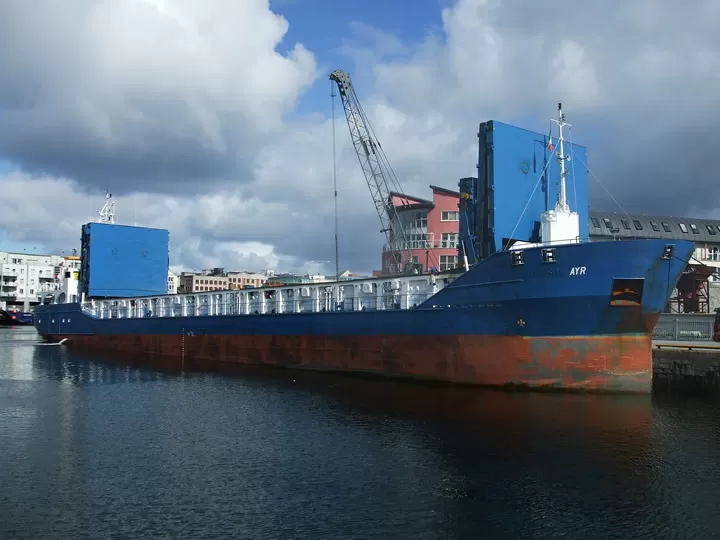
- Evasion of trade barriers: In international trade, countries often set up various trade barriers, such as high tariffs and strict quota restrictions. Through entrepôt trade and choosing a suitable transit country, these obstacles can be skillfully avoided, enabling goods to enter the target market more smoothly. For example, some countries levy high tariffs on specific products, while the entrepôt trading country may have special trade agreements with these countries. By transiting through the entrepôt trading country, products can be introduced to the market at a relatively low cost.
- Expansion of market channels: Entrepôt trade provides enterprises with a broader space for market expansion. It allows enterprises to access markets that are otherwise difficult to enter directly, thereby expanding the sales scope and increasing profit opportunities. For example, enterprises in some small and medium - sized countries can sell their products to every corner of the world through entrepôt trade, enhancing brand awareness and influence.
In addition, entrepôt trade can also promote the development of related industries such as international logistics and warehousing, driving the prosperity of the local economy.
However, entrepôt trade is not without difficulties. It also faces many challenges. Among them, policy risk is a relatively prominent aspect. The trade policies and customs regulations of different countries may change at any time. If one fails to understand and adapt to these changes in a timely manner, it may lead to the detention of goods, an increase in additional costs, or even penalties.
Key Marking
Moreover, market competition is becoming increasingly fierce. With more and more countries and enterprises participating in entrepôt trade, how to stand out among numerous competitors and maintain one's own advantages is a question that every entity engaged in entrepôt trade needs to consider. In response to these challenges, enterprises need to strengthen the research and tracking of policies and regulations of various countries, and establish a complete information early - warning mechanism so as to make timely adjustments. At the same time, continuously improving service quality and product competitiveness is also the key to dealing with market competition.
In the vast field of entrepôt trade, Zhongshitong has been constantly exploring and practicing. With its professional team and rich experience, Zhongshitong carefully controls every link of entrepôt trade. From the procurement, transportation, warehousing to the sales of goods, Zhongshitong has established a complete process system to ensure that every entrepôt trade business can be completed efficiently and smoothly.
For example, when facing complex changes in trade policies, Zhongshitong can quickly organize professionals for analysis and research, and adjust business strategies in a timely manner, effectively reducing the impact of policy risks on its business. At the same time, Zhongshitong also focuses on improving its service quality. By providing high - quality logistics distribution and considerate customer service, it has won the trust and praise of many customers.
As an important part of international trade, entrepôt trade is full of opportunities and challenges. Through in - depth understanding of it, we can better seize the business opportunities given by the times and shine on the global economic stage. I hope everyone can pay more attention to the development of the entrepôt trade field, and also look forward to more enterprises like Zhongshitong to continuously innovate and achieve good results. So, what's your opinion on entrepôt trade? Welcome to leave a message in the comment section for discussion!
- Further Reading
- Entrepôt Trade: The Wealth Code Hidden in Containers
- Revealing the Big Risks in Entrepôt Trade. Are You Still Willing to Venture into It Easily?
- Don't Miss Out Anymore! The Fingerprint Safe Agent in Xining is a Hidden Business Opportunity
- Has the Era of Profitable Entrepôt Trade Ended?
- Hungarian Entrepôt Trade, the Money-Making Secret You Don't Know Yet?
- Imported Snack Food Agency: A Business Opportunity or a Trap?
If you require China procurement agency or import-export agency services, please get in touch with us through the following channels. Our professional consultants will reach out to you promptly for personalized support.
Friendly Reminder


Latest Comments (0) 0
Leave A Comment