

Entrepôt Trade: The Mysterious "Backstage Player" in Global Trade?
In the grand stage of global trade, entrepôt trade is like a mysterious "backstage player", silently influencing the circulation path of goods and the economic pattern. Simply put, entrepôt trade refers to the buying and selling of import and export goods in international trade that is not carried out directly between the producing country and the consuming country, but is carried out through the transfer of a third country. This third country is the hub of entrepôt trade and plays a crucial role as a bridge and transfer station.
One type is direct entrepôt trade. Under this type, although the goods pass through a third country during the process of being transported from the producing country to the consuming country, the goods are not subjected to substantial processing in the third country, but are only transferred at ports and other places in the third country. For example, a batch of electronic products from producing country A is to be transported to consuming country C. When the transport ship stops briefly at the port of third country B, it may change ships or directly continue to C. The ownership of the goods may be directly transferred between the exporter in country A and the importer in country C, and third country B only provides geographical convenience for transfer.
Another type is indirect entrepôt trade. This type is relatively more complex. After the goods arrive in the third country, some processing will be carried out, such as simple packaging replacement, classification, mixing and other minor processing procedures. For example, various types of clothing produced by producing country M are first transported to third country N. In country N, the merchants will repackage and match the clothing according to different market demands and attach labels that meet the preferences of the consuming country P market before transporting them to consuming country P. In this case, third country N not only serves as a transfer station for transportation, but also participates in a certain degree of trade value-added activities.
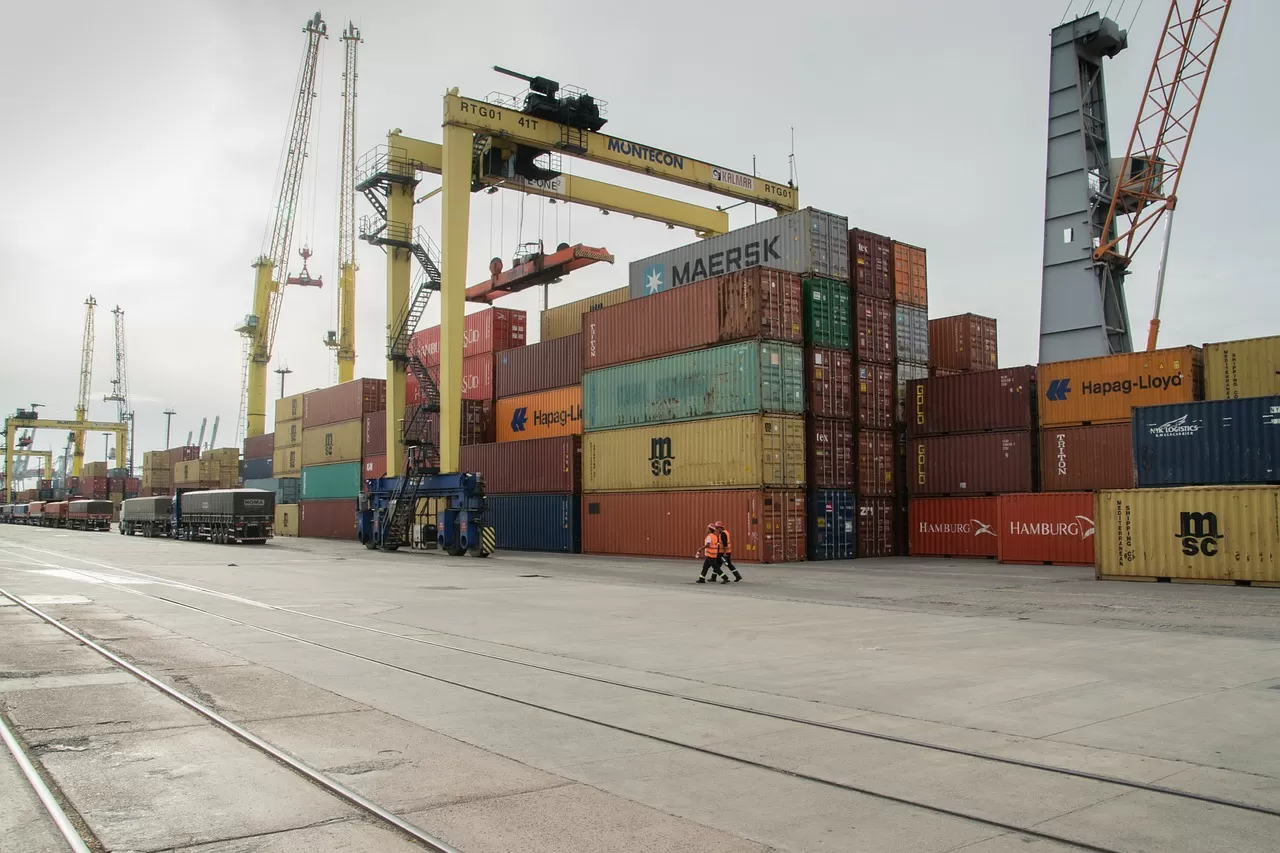
There is also a special form of entrepôt trade, which is re-export trade. This refers to the situation where domestic goods are first exported to a foreign country and then re-imported back to the country without substantially changing the state of the goods. For example, some high-tech products, due to certain special policies in the country or short-term changes in market supply and demand, are first exported to a nearby third country, and then, due to the recovery of domestic demand, are transported back to the country. This form of entrepôt trade is more affected by factors such as domestic policies and market supply and demand relationships.
For the third country, entrepôt trade can greatly promote the development and prosperity of local logistics infrastructure such as ports. Like Singapore, relying on its superior geographical location and efficient logistics services, it has become an important entrepôt trade center. The transshipment of a large number of goods has driven the development of a series of related industries such as port operations, warehousing, and finance, creating a large number of employment opportunities and increasing the national fiscal revenue.
From the perspective of global trade, entrepôt trade optimizes the allocation of resources. The producing country can push its products more flexibly to different markets through entrepôt trade and expand its market share. The consuming country can also obtain goods that come from different channels and better meet its own needs through entrepôt trade.
Although entrepôt trade is mysterious, its impact on the global economy and trade cannot be underestimated. With the advancement of global economic integration, the forms and scales of entrepôt trade may continue to change. Whether it is enterprises or relevant practitioners, they all need to continuously pay attention to the dynamics of entrepôt trade in order to seize opportunities and achieve their own development in this trade field full of opportunities and challenges.
- Further Reading
- You'll never imagine! There are such secrets in the entrepot trade of electric irons in Haikou
- Export Agent: A Lifesaver for Foreign Trade Newbies?
- Can Xiangtan's Entrepôt Trade Really Become a New Economic Engine?
- Is Your Company "Locked Out" of International Trade?
- Import Agency for General Trade in Fuzhou? You'll Know Everything Here!
- Don't underestimate customs brokerage firms—they are the unsung heroes of trade clearance!
If you require China procurement agency or import-export agency services, please get in touch with us through the following channels. Our professional consultants will reach out to you promptly for personalized support.
Friendly Reminder


Latest Comments (0) 0
Leave A Comment