

Entrepôt Trade and False Trade, Don't Let Your Business Fall into the Trap
In the arena of international trade, entrepôt trade is originally a normal business activity. However, false trade is like an undercurrent hidden in the dark, quietly undermining the order of the market. Today, let's jointly explore the mysteries of false entrepôt trade in depth.
Entrepôt trade, simply put, refers to the trade carried out by third-country traders signing import contracts and export contracts respectively between the country of goods production and the country of goods consumption, or between the country of goods supply and the country of goods demand. The actual transportation of goods can be directly from the producing country to the consuming country, or it can be transferred through a third country. False trade, on the other hand, is the behavior of illegal elements using the form of entrepôt trade to fabricate trade backgrounds and conduct transactions without real goods. For example, Mr. Zhang, through a trading company named Zhongshitong, forged relevant trade documents to create the illusion of goods trading without the actual flow of goods, which is a typical case of false entrepôt trade.
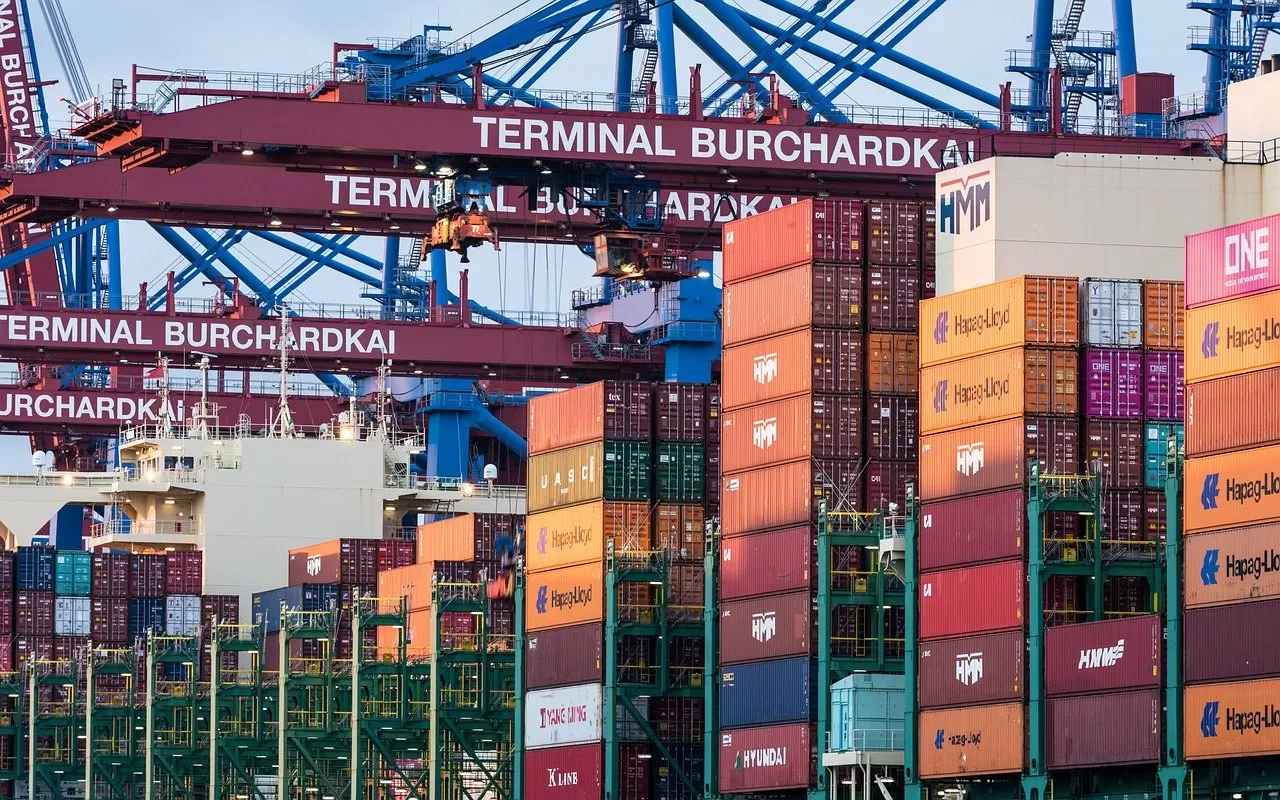
First, forge trade documents. Illegal elements will carefully fabricate a series of documents such as bills of lading, invoices, and packing lists to make them look exactly like real trade. These false documents can, to a certain extent, deceive the preliminary review of the regulatory authorities. Second, fabricate trading entities. Some illegal elements will register shell companies and conduct false entrepôt trade operations among these shell companies through collusion. For example, Ms. Li registered several seemingly independent but actually related companies and carried out so-called entrepôt trade among them, but there was no real exchange of goods. Third, circular trade. Enterprises form a closed trade chain, and goods circulate repeatedly within this chain, but in fact, they do not flow to the terminal consumer market. This trade method seems lively but is actually all false transactions.
From an economic perspective, false trade disrupts the normal trade order and distorts trade data. These false data will mislead the macro decisions of the government and prevent resources from being rationally allocated. In the financial field, false trade may trigger financial risks. Some illegal elements obtain bank funds through false trade. Once the capital chain breaks, the bank will face huge losses. For the industry, it destroys the environment of fair competition, squeezes the survival space of legitimate enterprises, and hinders the healthy development of the industry.
Strengthening supervision is the key. The regulatory authorities should increase the review intensity of the authenticity of trade documents and use technologies such as big data to comprehensively monitor trading entities and trading behaviors. Enterprises themselves also need to enhance their risk awareness. When conducting entrepôt trade, they should conduct full due diligence on trading counterparts to ensure that the trade background is true and reliable. At the same time, industry associations should play an active role, strengthen self-discipline in the industry, formulate standardized operating guidelines for entrepôt trade, and guide enterprises to operate legally.
False entrepôt trade is a cancer in international trade. It harms the interests of all parties and damages the market environment. Only through the joint efforts of regulatory authorities, enterprises, and industry associations can the breeding of false trade be effectively curbed, and international trade can return to a healthy and orderly development track. Let's work together to contribute to creating a fair and just trade environment.
- Further Reading
- Does the foreign trade company's agency for export tax rebate really work that magically?
- Import and Export Trade: A Blessing or a Curse?
- How is the fee charged for import business agency services?
- Shanghai Export Business Agency Company, such amazing assistance for enterprises going global!
- Is Foreign Trade Export Agency the Hidden "Secret" of Nanjing Enterprises?
- Is Transit Trade the Secret Code to Huge Profits?
If you require China procurement agency or import-export agency services, please get in touch with us through the following channels. Our professional consultants will reach out to you promptly for personalized support.
Friendly Reminder


Latest Comments (0) 0
Leave A Comment