

Entrepôt Trade: A New Type of Economic Colonization in the 21st Century?
Mr. Zhang recently inventoried a batch of electronic products shipped from Southeast Asia in the warehouse, with the label printed "Made in Vietnam", but after unpacking, there was the logo of an industrial power engraved on the circuit board. This is not an isolated case - in the grey area of the global supply chain, entrepôt trade colonization is quietly reshaping the business rules. It is neither traditional colonization nor pure trade, but a transfer of interests achieved through the "magic" of logistics and labels.
When goods from Country A are re-exported to Country C via Country B, the originally neutral logistics behavior may evolve into an economic control measure:
- Technological Colonization: The core components always come from a specific region, and the re-exporting country only completes the final assembly
- Standard Colonization: Force the implementation of the technical standard system of the origin country through entrepôt trade
- Profit Colonization: The re-exporting country only obtains a meager processing fee, and 90% of the profit flows to the upstream of the industrial chain
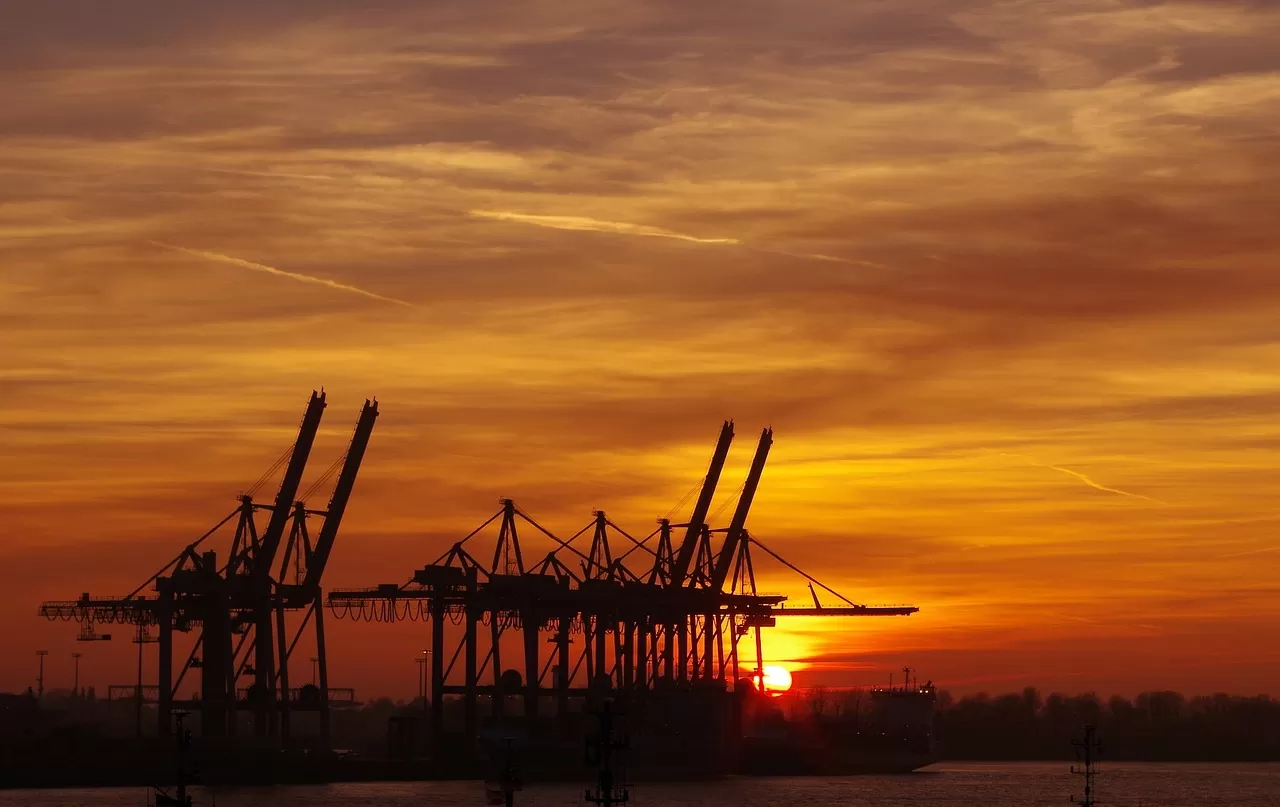
Different from the gunboat policy in history, contemporary entrepôt trade colonization is achieved through three forms of flexible control:
- Certification Shackles: The complex rules manual for the origin of goods is as thick as 800 pages
- Data Shackles: The logistics system of the entrepôt port must be connected to the traceability platform of a specific country
- Financial Shackles: The terms of the letter of credit force the use of a designated bank for settlement
Facing this war without gunpowder, business entities are awakening:
- Breakthrough with Blockchain: A rubber alliance in Southeast Asia uses a distributed ledger to record the real supply chain path
- Micro-Industrial Chain: African mobile phone manufacturers have started to build their own chip-level supporting systems
- Certification Alliance: Six ports jointly launch an alternative origin certification standard
Next time you see the label "Made in a certain country", you might as well think: Is this a geographical fact or a carefully designed business script? What the global supply chain needs is a more transparent rule, not a more sophisticated form of colonization. After all, true trade freedom should not require entrepôt trade to achieve.
- Further Reading
- Revealing the Monthly Salary of Entrepôt Trade, a High - paying Field You Never Expected!
- Liaoning's Import-Entrepôt Trade of Composite Wood Flooring: Why is it Full of Crises but Also Hides Opportunities?
- Lithuania: The "Invisible Champion" of European Entrepôt Trade
- Entrepôt Trade EXD, the "Secret Passage" of Trade You Don't Know
- The Hidden Battle of Entrepôt Trade: Who Controls the Global Flow of Goods?
- Yueyang Entrepôt Trade, Can It Really Bring Tremendous Business Opportunities?
If you require China procurement agency or import-export agency services, please get in touch with us through the following channels. Our professional consultants will reach out to you promptly for personalized support.
Friendly Reminder






Latest Comments (0) 0
Leave A Comment