

Do you know the "clearance code" for coffee bean imports?
For many, the first ray of morning sunlight filtering through the curtains while holding a cup of aromatic coffee is how they start their day. But have you ever wondered how these coffee beans from distant lands traverse mountains and oceans to reach your cup? Today, we’ll unveil the mystery behind coffee bean import customs clearance agencies and take you on a journey to understand this cross-border flavor adventure.
Mr. Zhang, the owner of a specialty coffee shop, recently faced a dilemma: a batch of premium coffee beans imported from Colombia was held by customs. The reason? Incomplete documentation led to clearance delays, resulting in additional storage fees and missing the optimal sales window. This case teaches us that coffee bean imports are not simple transactions but involve a complex multi-step process.
- Document Preparation: Certificates of origin, sanitary certificates, and quarantine documents are indispensable.
- Tariff Calculation: Coffee beans from different regions may be subject to varying tax rates.
- Inspection and Quarantine: Ensuring compliance with China’s food safety standards.
- Logistics Coordination: End-to-end tracking from port to warehouse.
Ms. Li, who has been importing coffee beans for five years, shares: "A professional customs clearance agency can help you avoid many pitfalls." Let’s examine the critical stages of this process:
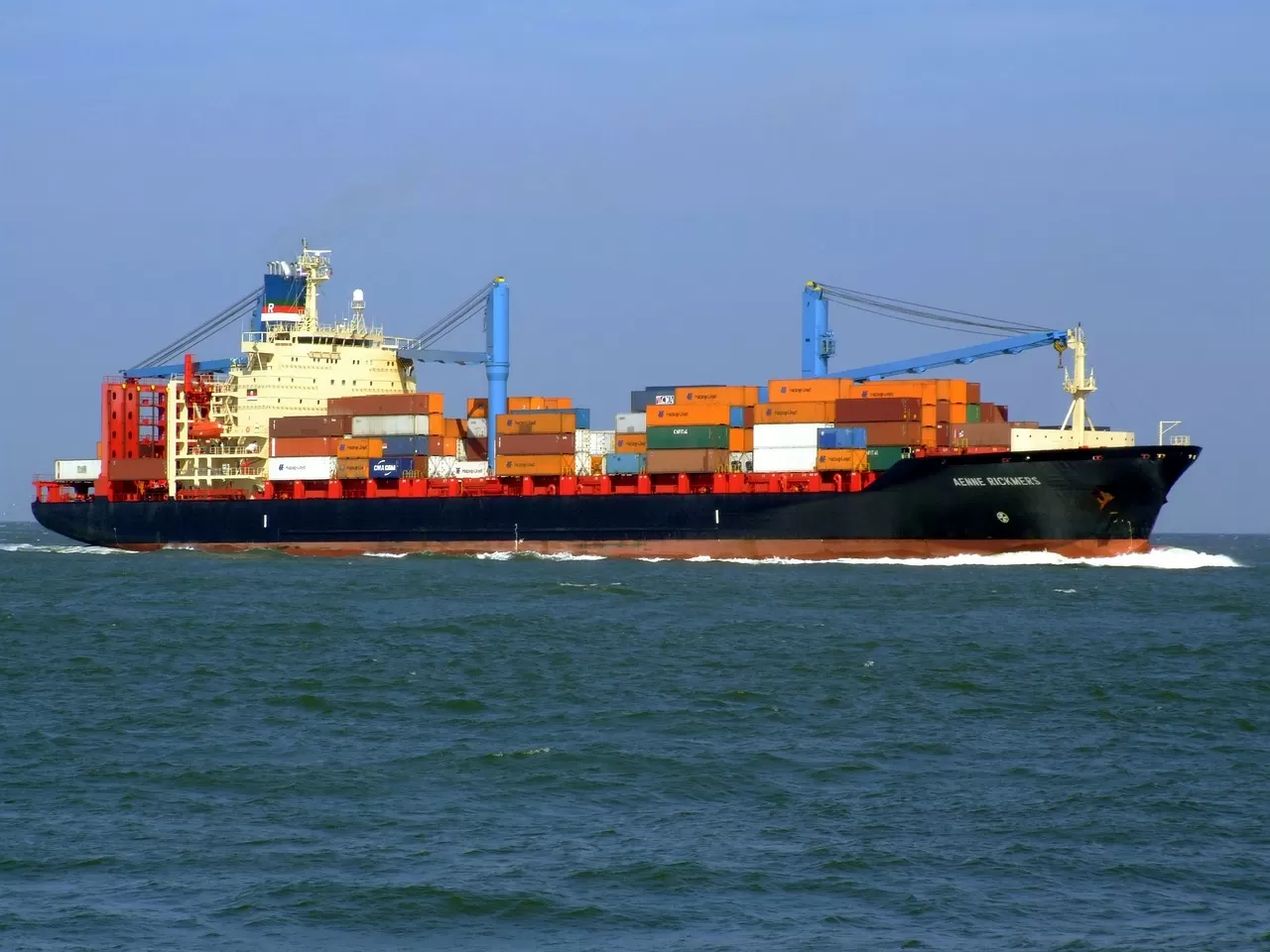
First is the preparation phase. This stage involves determining the HS code for the coffee beans, preparing complete trade documents, and understanding the latest quarantine requirements. Experts from Zhongshitong recommend starting preparations at least three months in advance, especially for first-time importers.
Next is the customs declaration phase. Accurate declaration of goods information—including variety, grade, and roast level—is crucial here. A minor error could lead to detention or return of the shipment.
Finally, the inspection and quarantine process. All imported coffee beans must pass customs inspections to ensure they are free of pests and pesticide residues. Only after approval will the clearance permit be issued, allowing the goods to enter the domestic market.
With so many customs clearance agencies in the market, how do you make the right choice? Here are some key factors to consider:
- Industry Experience: At least three years of experience in food imports.
- Success Stories: Review their past coffee bean import cases.
- Service Network: Coverage of major import ports and cities.
- Emergency Response: Ability to quickly resolve issues when they arise.
With the rise of specialty coffee culture, demand for small-batch, multi-variety coffee bean imports is growing. This poses new challenges for customs clearance agencies: requiring more flexible processes and specialized classification skills.
For entrepreneurs looking to enter this industry, our recommendations are:
- Start with small batches to gain experience.
- Build stable supply chain relationships.
- Partner with customs clearance agencies experienced in food imports.
- Stay updated on industry policy changes and adjust strategies accordingly.
- Further Reading
- The Black - box Operations of Imported Shoe Agents, Unknown to 90% of People!
- Agent for Imported Brand Children's Custom-made Shoes? Here's Everything You Want to Know!
- Import Customs Clearance Agent for Chemical Raw Materials, Is It Too Complicated?
- Surprising! The Standard Differences of Import Agency Fees in Hefei Are So Big
- Import Wine Agency: The Million-Dollar Business Hidden in Wine Glasses
- Why Choose Ningbo Agents for Imported Excavators? Here Are the Answers
If you require China procurement agency or import-export agency services, please get in touch with us through the following channels. Our professional consultants will reach out to you promptly for personalized support.
Friendly Reminder


Latest Comments (0) 0
Leave A Comment