

Are there really such big differences between agent export and self - managed export?
On the grand stage of international trade, export business is an important way for many enterprises to expand overseas markets and seek development opportunities. Among them, agent export and self - managed export are two common methods. They are like two different keys, opening different paths to the international market. Today, let's delve into the differences between agent export and self - managed export.
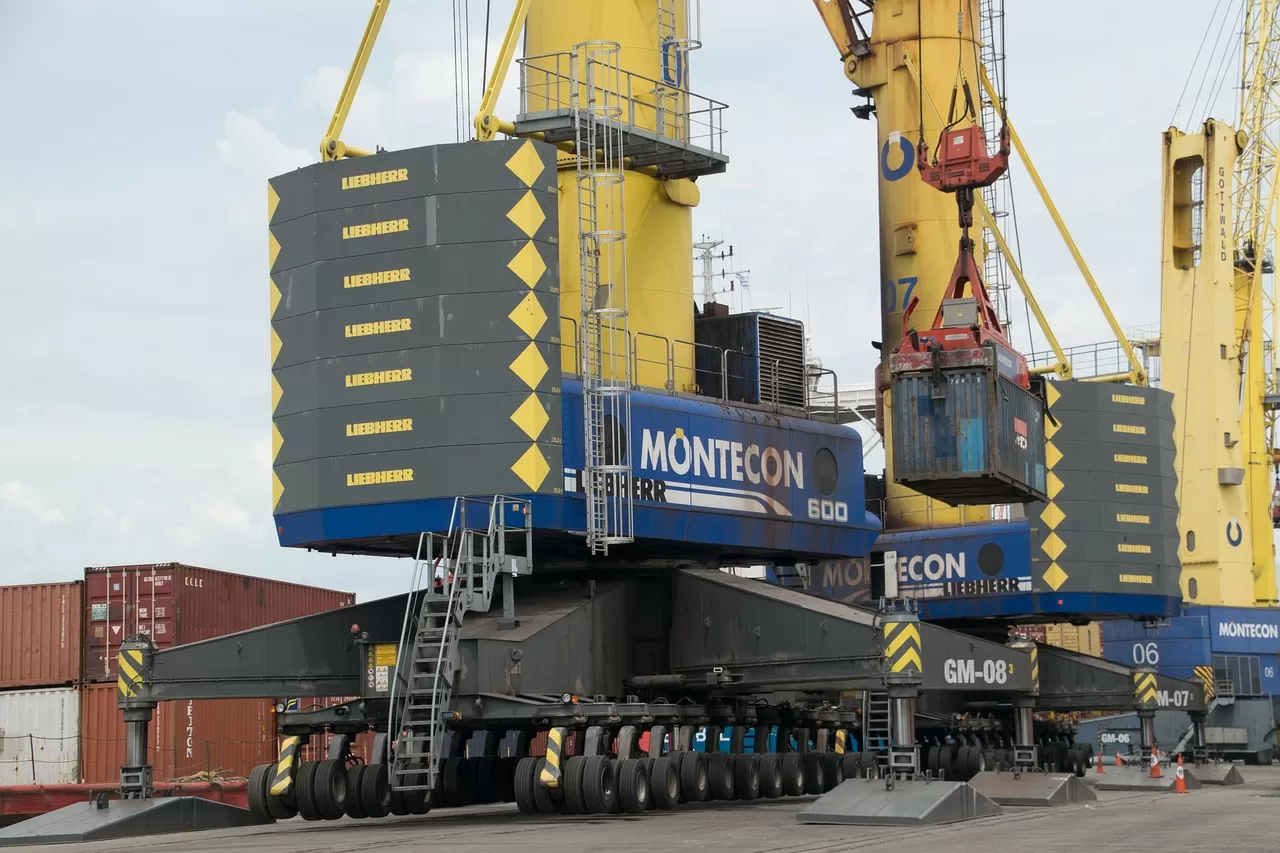
Agent export: Simply put, it means that an enterprise either does not have the import - export operation right itself, or for some reasons, although it has the right, it entrusts a foreign - trade company with import - export operation rights (such as a professional foreign - trade enterprise like Zhongshitong) to handle the relevant procedures for the export business. The foreign - trade company charges a certain agency fee. For example, Ms. Li runs a small factory, produces high - quality products and wants to sell them abroad, but she can't handle the cumbersome export processes. So she entrusts a professional foreign - trade company to help send the products abroad, while she focuses on the production process.
Self - managed export: This refers to an enterprise that has the import - export operation right and can independently complete a series of export business processes, from finding customers, signing contracts, organizing goods sources, to handling customs declaration, inspection and quarantine, etc., and directly conducts trade with foreign customers. For instance, the enterprise where Mr. Zhang works has obtained the import - export operation right after a series of applications and approvals. After that, it can independently carry out export business, promote its self - produced products to the international market, and control every link throughout the process.
For agent export, the enterprise first needs to sign an agent export agreement with the entrusted foreign - trade company, clarifying the rights and obligations of both parties, especially the charging standard of the agency fee, etc. Then it hands over the goods to the foreign - trade company, and the foreign - trade company will use its own qualifications to handle export procedures such as customs declaration, inspection and quarantine, and booking space. The enterprise mainly needs to cooperate by providing relevant product information and other information.
For an enterprise with self - managed export, it has to form a professional foreign - trade team or train relevant foreign - trade talents. Starting from market research to find suitable foreign customers, signing detailed trade contracts, then organizing production or purchasing goods, and then handling a series of complex procedures such as customs declaration, inspection and quarantine, and transportation arrangements on its own. Every link requires personal effort, and it requires relatively higher comprehensive strength and resources from the enterprise.
Under the agent - export model, the foreign - trade company receives a fixed agency fee, and generally, the risk is relatively small. For example, as an agent, Zhongshitong can basically ensure getting the agency fee as long as it completes the agency business process according to the agreement. For the entrusting enterprise, the main risks lie in situations such as product quality not meeting standards, being returned by foreign customers, which may affect its reputation and subsequent orders. However, some of the trade risks of the export business itself, such as exchange - rate fluctuations and changes in foreign policies, are borne by the foreign - trade company.
An enterprise with self - managed export has to face all risks alone, including market risks, exchange - rate risks, and political risks (risks related to non - political factors such as relevant trade policies in the international business environment). But correspondingly, once the export business is successful, all the profits obtained by the enterprise belong to itself, unlike agent export where a part has to be allocated to the agent as an agency fee.
For some small and medium - sized enterprises, agent export is a convenient way to quickly enter the international market. It can draw on the professional resources and experience of foreign - trade companies, saving time and energy to focus on the production and R & D of its own products. But in the long run, there may be a certain degree of dependence on foreign - trade companies, and the improvement of its own foreign - trade business capabilities is relatively limited.
Although self - managed export has large upfront investment and high difficulty, once an enterprise establishes a complete foreign - trade system, it can better master the initiative in the market, adjust its business strategy in a timely manner according to changes in the international market, which is conducive to the long - term development and brand building of the enterprise, and enhances the enterprise's competitiveness in the international market.
After understanding these differences between agent export and self - managed export, enterprises can choose a more suitable export method according to their actual situations, such as enterprise scale, resource allocation, development strategy, etc. Whether choosing agent export to start quickly with external help or choosing self - managed export to independently explore the international market, each has its own advantages and disadvantages. The key is to find the path that best suits one's own development. I hope that all business owners can make wise choices on the road of international trade and open a glorious chapter in the overseas market belonging to themselves. What do you think about this? Welcome to leave messages and discuss in the comment section.
- Further Reading
- The Big Reveal of Import-Export License Application Locations – Don’t Miss Out!
- In - depth Exploration of the Underhanded Deals of Export Agency Arrears
- Do you really know how to choose a Zibo export tax rebate agent?
- On-site Export Fumigation Agency, It Turns Out to Be So Important!
- Chongqing Air Freight Export Customs Declaration Agency, It's Actually So Important!
- Is the export agency business too complicated? Don't step into the pitfalls that Jining bosses have stepped on!
If you require China procurement agency or import-export agency services, please get in touch with us through the following channels. Our professional consultants will reach out to you promptly for personalized support.
Friendly Reminder


Latest Comments (0) 0
Leave A Comment